Unraveling Digital Identity in Europe for Higher Education
A webinar for higher education teams on EUDI Wallet readiness, acceptance versus issuance, student credential use cases, and how universities can bridge wallets into existing systems.


Key Takeaways
- What the EUDI Wallet is and is not for higher education.
- Why universities may act as issuers, relying parties, authentic sources, and wallet users at the same time.
- How to separate wallet acceptance from credential issuance.
The EUDI Wallet will matter for higher education because it can make student identity, enrolment, diploma checks, and cross-border verification faster and more trusted. The real work is not replacing university systems. It is connecting the wallet to the systems universities already use.
This ECCA webinar focuses on what universities, campus technology teams, and education vendors should prepare for before wallet-based credentials become a practical part of student journeys.
What This Covers
- What the EUDI Wallet is and is not for higher education.
- Why universities may act as issuers, relying parties, authentic sources, and wallet users at the same time.
- How to separate wallet acceptance from credential issuance.
- Why student information systems, campus cards, SAML, and eduGAIN are more likely to coexist with wallets than be replaced by them.
- How a bridge pattern can connect wallet presentations into existing campus identity infrastructure.
Key Takeaways
Universities should not treat the wallet as another student app. It is part of a wider trust ecosystem involving issuers, relying parties, authentic sources, standards, regulation, and verification infrastructure.
Digital credentials do not replace university records. The student information system remains the source of truth. The credential is a portable, verifiable representation of trusted data.
Acceptance and issuance need separate plans. An institution may need to accept wallet-based authentication or incoming credentials before it issues its own diplomas, proof of enrolment, or student-status credentials into wallets.
The strongest early use cases are practical: cross-border enrolment, proof of student status, diploma verification, exchange mobility, and high-friction administrative checks.
Why It Matters
Higher education teams can lose time in two ways: dismissing the wallet as distant policy noise, or overreacting as if every campus system must be rebuilt at once.
The more useful path is staged. Map the current journeys. Identify where wallet acceptance or verifiable credentials could remove friction. Ask SIS, campus card, credentialing, and authentication vendors for explicit EUDI Wallet roadmaps. Then start with one narrow pilot that creates visible value.
For many institutions, the most practical strategy is a bridge, not a rebuild.
Watch The Webinar
Watch the recording from ECCA: Unraveling the Complexity of Digital Identity in Europe.
Related Reading
Next Actions
- Audit your readiness against the deadlines or implementation realities discussed here.
- Create a short risk register for the relying-party or ecosystem dependencies involved.
- Assign an owner for the next practical milestone before the next sprint.
Strategy Call
Want to turn this into a practical next step?
Whether you're shaping identity strategy, wallet adoption, or product direction - let's discuss what makes sense.
Prefer LinkedIn? Message me there .
Related Insights

What Higher Education Teams Should Actually Prepare For in the EUDI Wallet Rollout
Higher education teams should not treat the EUDI Wallet as a distant policy topic or as a full replacement for campus systems. The first real pressure point is wallet acceptance, credential verification, and trusted cross-border student journeys.

Wallet Launch Is Not Readiness
Building and releasing a wallet is only the first milestone. Real readiness appears later, when certification, issuer and verifier maturity, accessibility, trust signals, and ecosystem operating models are forced into the same production reality.
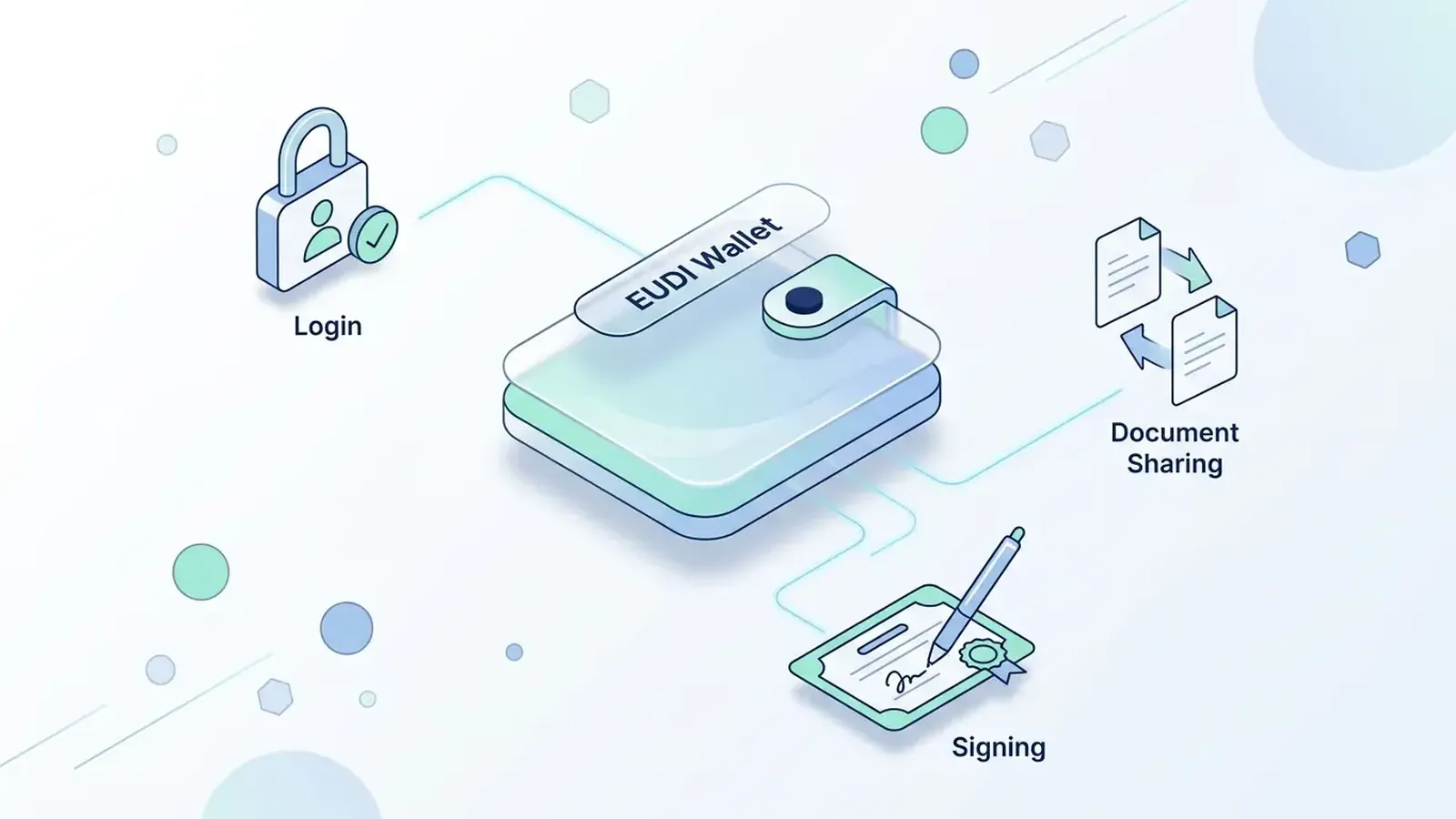
What the EUDI Wallet Is, and What It Is Not
The most basic EUDI Wallet questions still create unnecessary confusion. Two of the clearest answers are simple: the wallet is meant to be free for citizens, and it is not mandatory to use. From there, the next question becomes what the wallet actually does and where the ecosystem still needs clearer answers.