
Key Takeaways
- Two of the most misunderstood basics are simple: the wallet is intended to be free for citizens and optional to use.
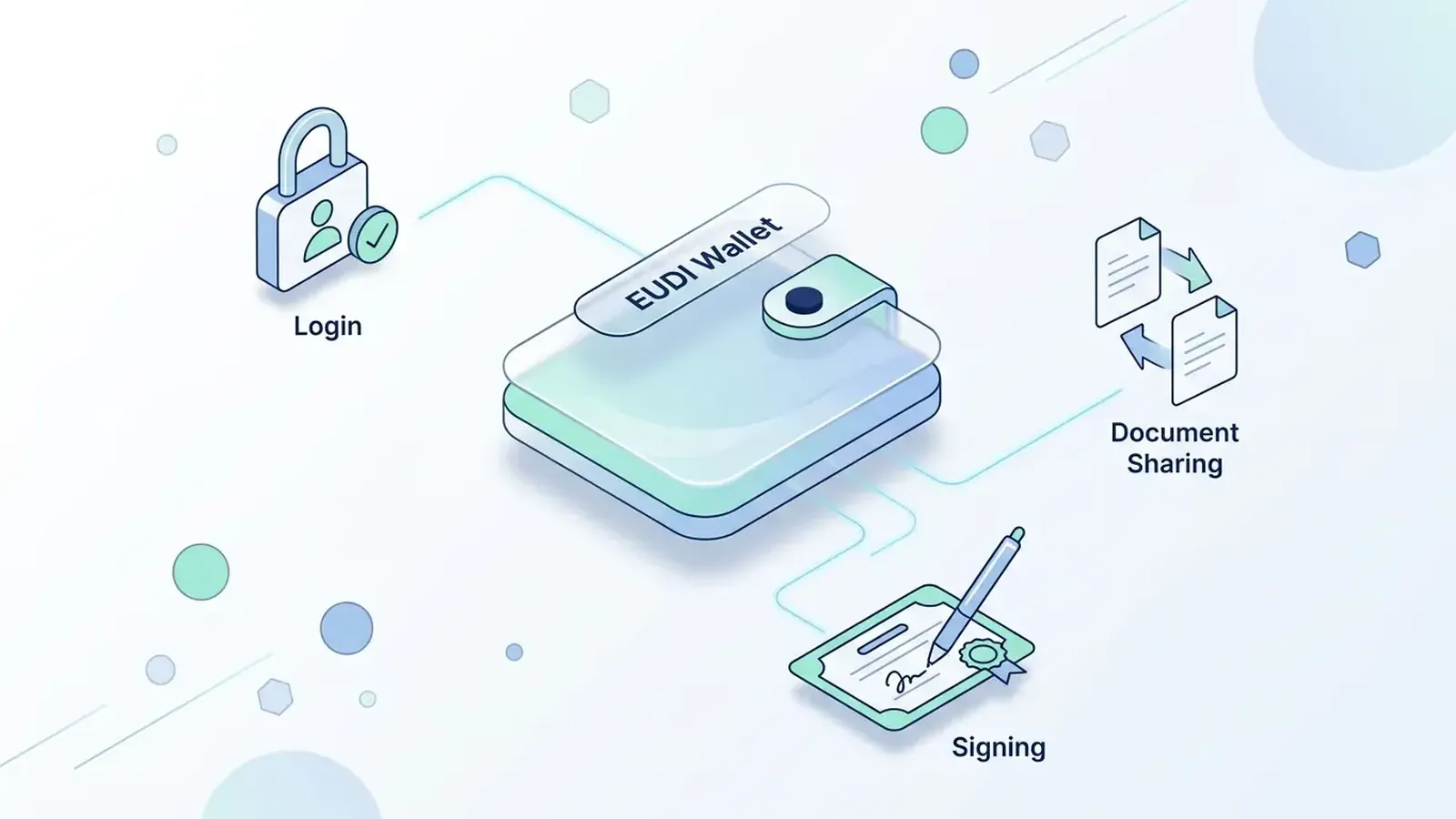
- The wallet is designed for login, document sharing, and signing across the EU, not only for one narrow administrative function.
- Basic official explanations still matter because too much of the public debate is built on assumptions.
The EUDI Wallet debate still gets dragged sideways by basic misunderstandings. That is a problem because once the basics are wrong, the rest of the discussion becomes noise. Before jumping into edge cases, a few fundamentals need to stay clear.
Executive Summary
- Two of the most misunderstood basics are simple: the wallet is intended to be free for citizens and optional to use.
- The wallet is designed for login, document sharing, and signing across the EU, not only for one narrow administrative function.
- Basic official explanations still matter because too much of the public debate is built on assumptions.
- Once the basics are clear, the next serious question is not whether the wallet is optional. It is how the ecosystem remains sustainable over time.
What This Is About
Complex digital identity systems often create a strange pattern. People skip the basics and go straight into speculation.
That produces confusion quickly:
- some people treat the wallet as mandatory when it is not meant to be
- some people assume it is paid consumer software when it is not meant to be
- some people reduce it to one app or one use case when the design is broader
That is why returning to basic official answers still matters. In this market, fundamentals are not trivial. They shape how everything else gets interpreted.
Two Basics People Still Get Wrong
The first two answers should not still be controversial, but they are:
- the wallet is meant to be free for citizens
- the wallet is optional to use
Those two points matter more than they first appear.
If the wallet is optional, then the adoption challenge becomes much clearer. The system cannot rely on compulsion. It has to create enough value, enough trust, and enough usefulness that people choose it.
The Wallet Is Broader Than One Narrow Function
Another common mistake is shrinking the wallet down to one mental model.
The basic scope is broader. The wallet is meant to support things such as:
- login
- document sharing
- signing
- cross-border use inside the EU
That still does not mean every scenario will feel equally mature on day one. It does mean the wallet should not be discussed as if it were only one narrow app for one narrow task.
Basic Clarity Is Strategic, Not Beginner Content
There is a habit in this space of dismissing FAQ-level content as too simple for serious people. That is a mistake.
When the market gets the basics wrong, several problems follow:
- misinformation spreads faster
- adoption expectations become distorted
- political debate becomes noisier than it needs to be
- providers optimize for the wrong objections
Basic clarity is not a side task. It is part of building a healthier market narrative around the wallet.
The Harder Question Starts After the Basics
Once the basic answers are clear, a more interesting question appears.
If the wallet is free for citizens and optional to use, then how does the wider network stay sustainable over time?
That is where the conversation becomes more strategic. Someone still carries the cost of:
- issuance
- verification
- infrastructure
- certification
- governance
- long-term operation
That sustainability question matters more than another round of confusion about whether the wallet is mandatory.
Why This Matters
Once the EUDI conversation moves out of specialist circles and into wider public interpretation, bad assumptions become sticky very quickly.
The market needs both layers at once:
- clear answers to basic questions
- better questions about long-term ecosystem design
If the basics are left muddy, the strategic discussion stays weaker than it should be.
This connects directly with The EUDI Wallet Is Coming. The Harder Question Is Will Anyone Use It., which looks at real adoption, and State of EUDI: January 2026, which helps separate formal direction from practical rollout reality.
Recommended Next Actions
- Keep the free-and-optional basics visible in any public explanation layer.
- Explain the wallet through familiar user jobs, not only through regulatory language.
- Correct misinformation early instead of assuming the market will self-correct.
- Treat FAQ-level clarity as part of adoption work, not as a side exercise.
- Move from basic explanations into the harder sustainability question once the fundamentals are clear.
- Build a repeatable library of answers to the most misunderstood wallet questions.
Sources
- Short-post source set on EUDI Wallet basics, official FAQ framing, and sustainability questions
- European Commission FAQ link cited in Pavol’s post package
Next Actions
- Validate whether this insight changes your current roadmap assumptions.
- Identify one dependency to verify with product, legal, or architecture this week.
- Turn one takeaway into a concrete implementation decision.
Strategy Call
Want to turn this into a practical next step?
Whether you're shaping identity strategy, wallet adoption, or product direction - let's discuss what makes sense.
Prefer LinkedIn? Message me there .
Related Insights
The EUDI Wallet Is Coming. The Harder Question Is Will Anyone Use It.
The EUDI Wallet does not fail if Europe ships an app late. It fails if the first version gives citizens, businesses, and relying parties too little reason to change behaviour. Adoption starts with one useful job, wider service coverage, and lower friction on both sides of the transaction.
The State of the EU Digital Identity Wallet in Early 2026
A practical webinar recap on where the EUDI Wallet stands as national implementation moves from regulation and pilots into certification, relying party readiness, and adoption planning.

EUDI Wallet Will Often Arrive as a Layer, Not a Replacement
Poland, Italy, and Belgium point to the same reality. In mature identity markets, EUDI arrives as a layer inside an existing setup, not as a clean reset. The hard work is deciding what gets replaced, what gets layered, and where new value comes from.