
Key Takeaways
- The main adoption risk is not technical impossibility. It is weak day-one value.
- The first strong use case matters more than a broad promise that the wallet will eventually be useful.
- Government access matters, but repeated use usually grows where the wallet also helps in private-sector journeys.
The EUDI Wallet is coming. That part is no longer the hard question. The harder question is whether the first real version gives citizens, businesses, and service providers enough reason to use it more than once.
Executive Summary
- The main adoption risk is not technical impossibility. It is weak day-one value.
- The first strong use case matters more than a broad promise that the wallet will eventually be useful.
- Government access matters, but repeated use usually grows where the wallet also helps in private-sector journeys.
- Adoption is a two-sided switch: the wallet has to be worth using for citizens and worth accepting for relying parties.
What This Is About
Many EUDI conversations still treat launch as the finish line. It is not. A wallet can be legally available, technically compliant, and still remain thinly used if the first live journeys do not solve a job people already care about.
That is why the real adoption question starts in three places:
- what is the first repeated job the wallet makes easier
- where does private-sector use create habit instead of one-off compliance use
- how much effort does acceptance remove or add for relying parties
If those answers stay weak, availability alone will not create traction.
A Wallet App Is Not an Adoption Strategy
Europe can create the legal and technical rail for the wallet. That still leaves the product question open.
People do not build habits around infrastructure. They build habits around outcomes. Banking, account access, age checks, travel flows, onboarding, and document reuse can create repetition. A generic promise that the wallet will matter later cannot.
That is why the first useful job matters so much. It gives the market a reason to care before the ecosystem is fully mature.
Government Access Alone Will Not Create Enough Pull
Public services matter because they establish legitimacy and baseline reach. They do not automatically create repeated use.
The stronger digital identity models people keep referencing all grew beyond one narrow public-service job. They expanded into broader service coverage, more frequent transactions, and more everyday value. That is what turns a formal identity product into something users remember to open.
For EUDI, the same logic applies. If the wallet is framed mainly as a public login container, adoption stays narrow. If it becomes useful in onboarding, proof sharing, travel, account recovery, regulated checks, and other repeated journeys, the usage surface changes.
A Container Wallet Stays Weak
A wallet that mainly stores a document has limited pull. The real value sits in the tasks the wallet shortens, simplifies, or makes safer.
That changes how teams should judge progress:
- not only by downloads
- not only by credentials issued
- not only by whether the app exists
The better question is which real tasks are easier because the wallet exists. If that list is short, adoption will stay fragile.
Adoption Is a Two-Sided Switch
One of the easiest mistakes in this market is to talk about adoption as if it were a citizen-only problem. It is not.
Users need a reason to switch behaviour. Relying parties need a reason to integrate. That means friction has to fall on both sides at the same time:
- onboarding has to feel easier or more trustworthy for users
- acceptance has to reduce cost, risk, or operational drag for businesses
- integration has to feel manageable for the teams that actually build the journeys
If the wallet improves one side and burdens the other, adoption slows.
The First Use Case Has to Matter Immediately
The first use case does not need to solve everything. It does need to matter enough that people notice the improvement.
That usually means one of three things:
- high frequency
- high friction today
- high trust value when done digitally
The best starting point will vary by market. In one country it may be banking or onboarding. In another it may be travel, proof of age, or a government-linked flow with real repeat demand. The important thing is not elegance. It is whether the first live journey creates visible value quickly.
Why This Matters
Weak launch logic becomes expensive once it shapes product choices, acceptance choices, and credential-priority choices. The adoption question has to be answered before teams lock in journeys that are technically compliant but practically forgettable.
A lot of wallet programmes get misread at this point. If adoption stays soft, the problem may not be that citizens reject digital identity. The problem may be that the first live version does not give them enough reason to change behaviour.
That connects directly with State of EUDI: January 2026, which separates formal progress from real readiness, and Driving EUDI Wallet Adoption Means Building for Repeated Use, which shows why repeated utility matters more than availability alone.
Recommended Next Actions
- Define the first repeated job the wallet should make better in your market.
- Pair one citizen-facing benefit with one relying-party benefit instead of treating adoption as a one-sided campaign.
- Judge wallet value by completed journeys, not by wallet existence alone.
- Decide where private-sector participation needs to start if you want habit, not just compliance.
- Treat integration effort as an adoption issue, not only a technical delivery issue.
- Be explicit about why day-one wallet use is better than today’s alternative.
Sources
- EUDI wallet adoption article and supporting rollout references
- Comparative adoption references on BankID, Estonia, LA Wallet, myColorado, and Singpass cited in that article
- EUDI legal and implementation references cited in the draft
Next Actions
- Validate whether this insight changes your current roadmap assumptions.
- Identify one dependency to verify with product, legal, or architecture this week.
- Turn one takeaway into a concrete implementation decision.
Strategy Call
Want to turn this into a practical next step?
Whether you're shaping identity strategy, wallet adoption, or product direction - let's discuss what makes sense.
Prefer LinkedIn? Message me there .
Related Insights
The State of the EU Digital Identity Wallet in Early 2026
A practical webinar recap on where the EUDI Wallet stands as national implementation moves from regulation and pilots into certification, relying party readiness, and adoption planning.
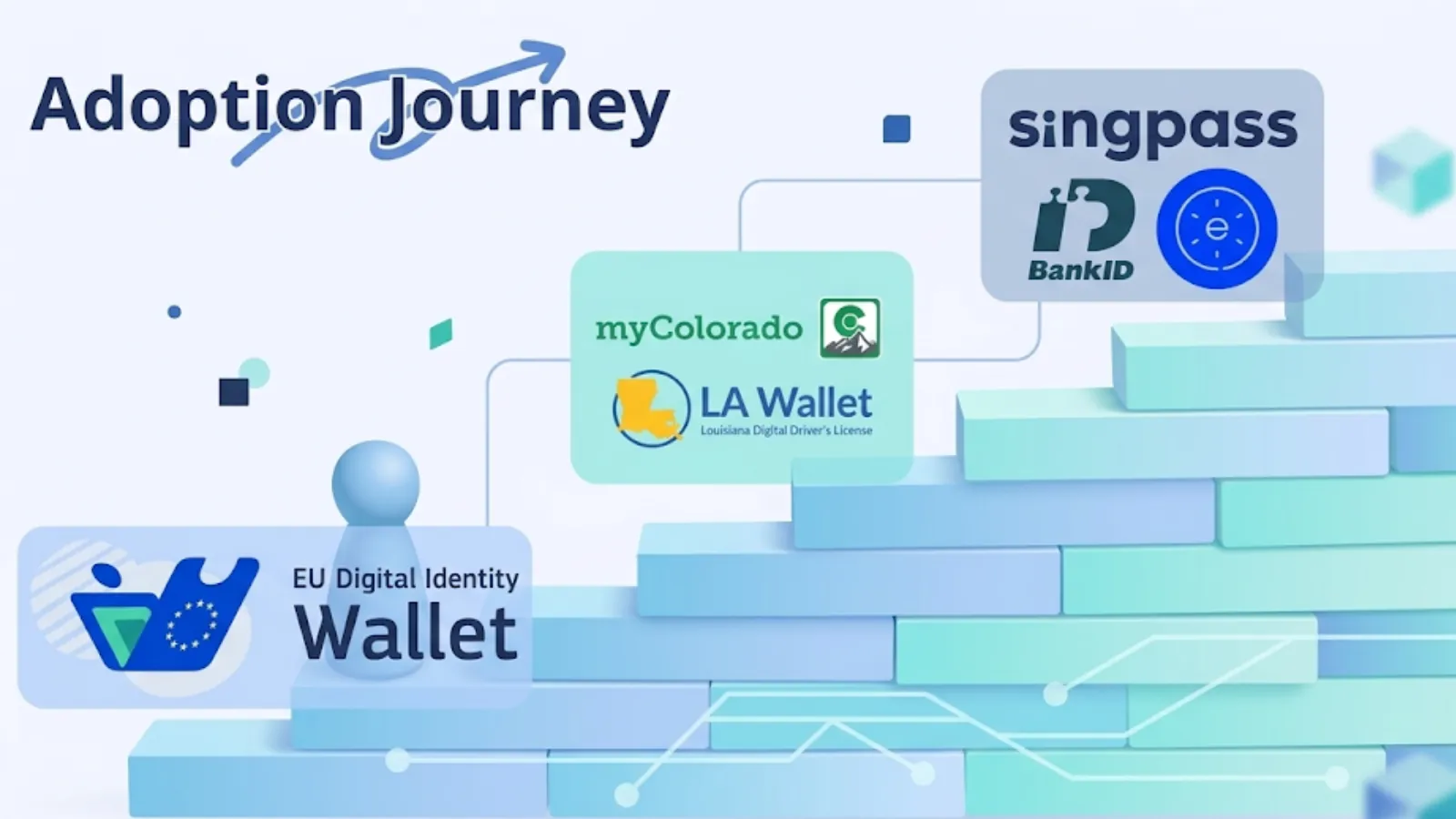
Driving EUDI Wallet Adoption Means Building for Repeated Use
The strongest digital identity systems did not win because they existed. They won because they solved a useful first job, expanded into more services, and kept lowering friction over time. The same lesson applies to EUDI Wallet adoption.

Wallet Launch Is Not Readiness
Building and releasing a wallet is only the first milestone. Real readiness appears later, when certification, issuer and verifier maturity, accessibility, trust signals, and ecosystem operating models are forced into the same production reality.