The State of the EU Digital Identity Wallet in Early 2026
A practical webinar recap on where the EUDI Wallet stands as national implementation moves from regulation and pilots into certification, relying party readiness, and adoption planning.

Key Takeaways
- The difference between wallet availability and wider ecosystem maturity.
- Why certification, national schemes, supervision, and testing are operational dependencies, not background detail.
- What wallet relying party registration means for businesses that want to request and verify wallet data.
The EUDI Wallet is no longer a distant policy project. The hard work is shifting into certification, onboarding, relying party readiness, national rollout choices, and adoption.
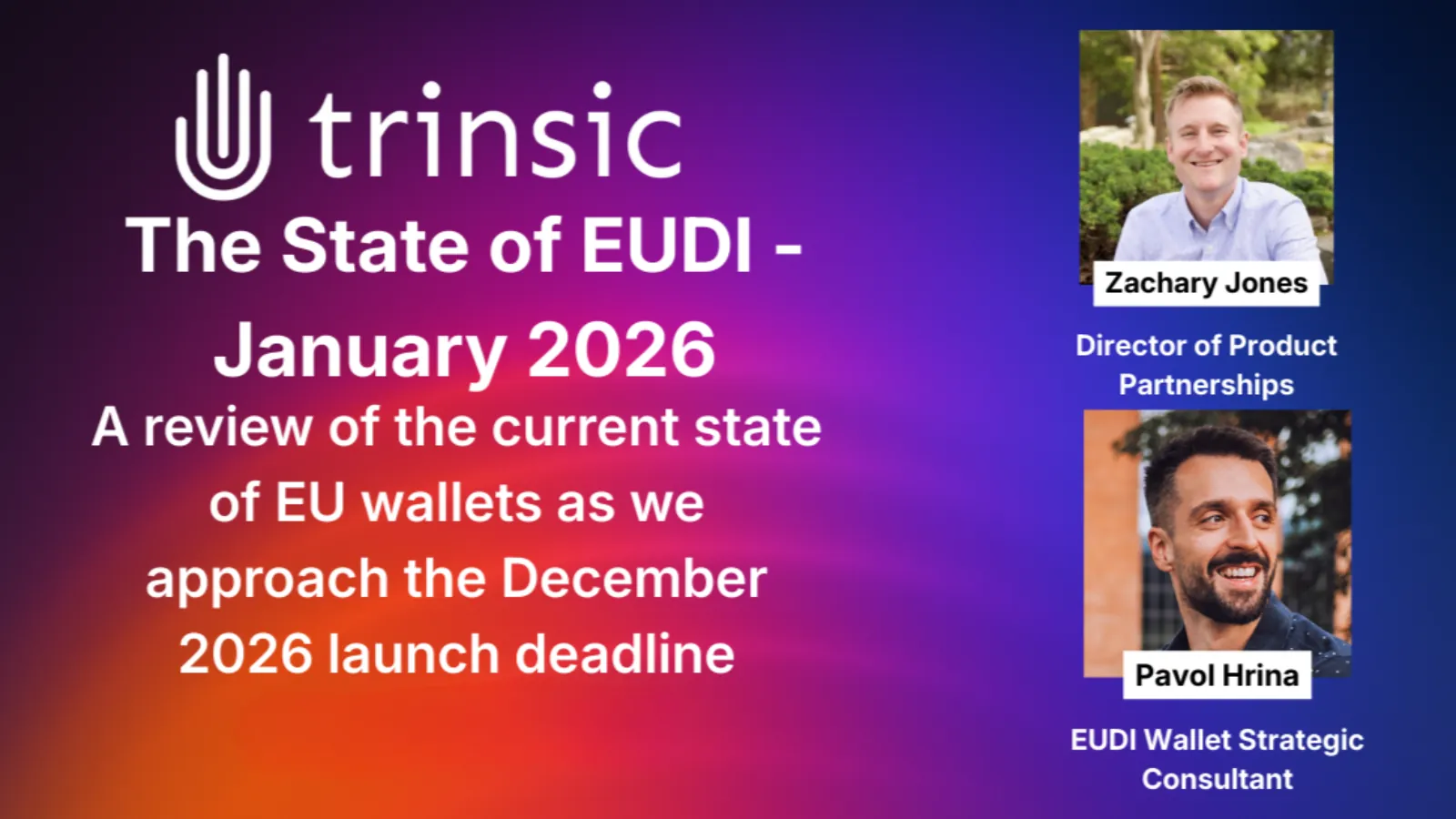
This webinar with Zack Jones from Trinsic looks at the practical state of the ecosystem in early 2026: what is becoming clearer, what is still uncertain, and how businesses should prepare without assuming that one deadline creates full market readiness.
What This Covers
- The difference between wallet availability and wider ecosystem maturity.
- Why certification, national schemes, supervision, and testing are operational dependencies, not background detail.
- What wallet relying party registration means for businesses that want to request and verify wallet data.
- How national approaches may differ even under a shared EU framework.
- Why existing eIDs, wallet acceptance layers, and current onboarding methods will likely coexist for some time.
Key Takeaways
The main takeaway is simple: prepare now, but plan for staged readiness. Wallet apps, relying party registrars, private wallet rules, user onboarding, and cross-border acceptance will mature at different speeds.
For relying parties, the work starts before integration. Teams need to understand which attributes they need, why they need them, whether less data would be enough, and who owns wallet acceptance internally.
For wallet and identity providers, certification is not just a product checkbox. It involves national schemes, evidence, accredited bodies, secure key handling, governance, and ongoing supervision.
For businesses, intermediaries and acceptance layers may become important because most organisations will not want to manage every wallet, registrar, certificate, and cross-border variation directly.
Why It Matters
The risk in 2026 is not that organisations ignore the EUDI Wallet completely. The risk is that they prepare for the wrong version of it.
Some teams will treat the deadline as if it means immediate market maturity. Others will wait until obligations become unavoidable. Both positions are fragile. The more useful approach is to map the journeys where wallet credentials could reduce friction, then prepare for coexistence with current eIDs, IDV flows, onboarding methods, and national rollout differences.
The practical question is not only “will we support EUDI?” It is where the wallet makes an existing journey materially easier, safer, cheaper, or more trusted.
Watch The Webinar
Watch the full webinar on YouTube: The State of the EU Digital Identity Wallet.
Related Reading
Next Actions
- Audit your readiness against the deadlines or implementation realities discussed here.
- Create a short risk register for the relying-party or ecosystem dependencies involved.
- Assign an owner for the next practical milestone before the next sprint.
Strategy Call
Want to turn this into a practical next step?
Whether you're shaping identity strategy, wallet adoption, or product direction - let's discuss what makes sense.
Prefer LinkedIn? Message me there .
Related Insights

Wallet Launch Is Not Readiness
Building and releasing a wallet is only the first milestone. Real readiness appears later, when certification, issuer and verifier maturity, accessibility, trust signals, and ecosystem operating models are forced into the same production reality.
Driving EUDI Wallet Adoption Means Building for Repeated Use
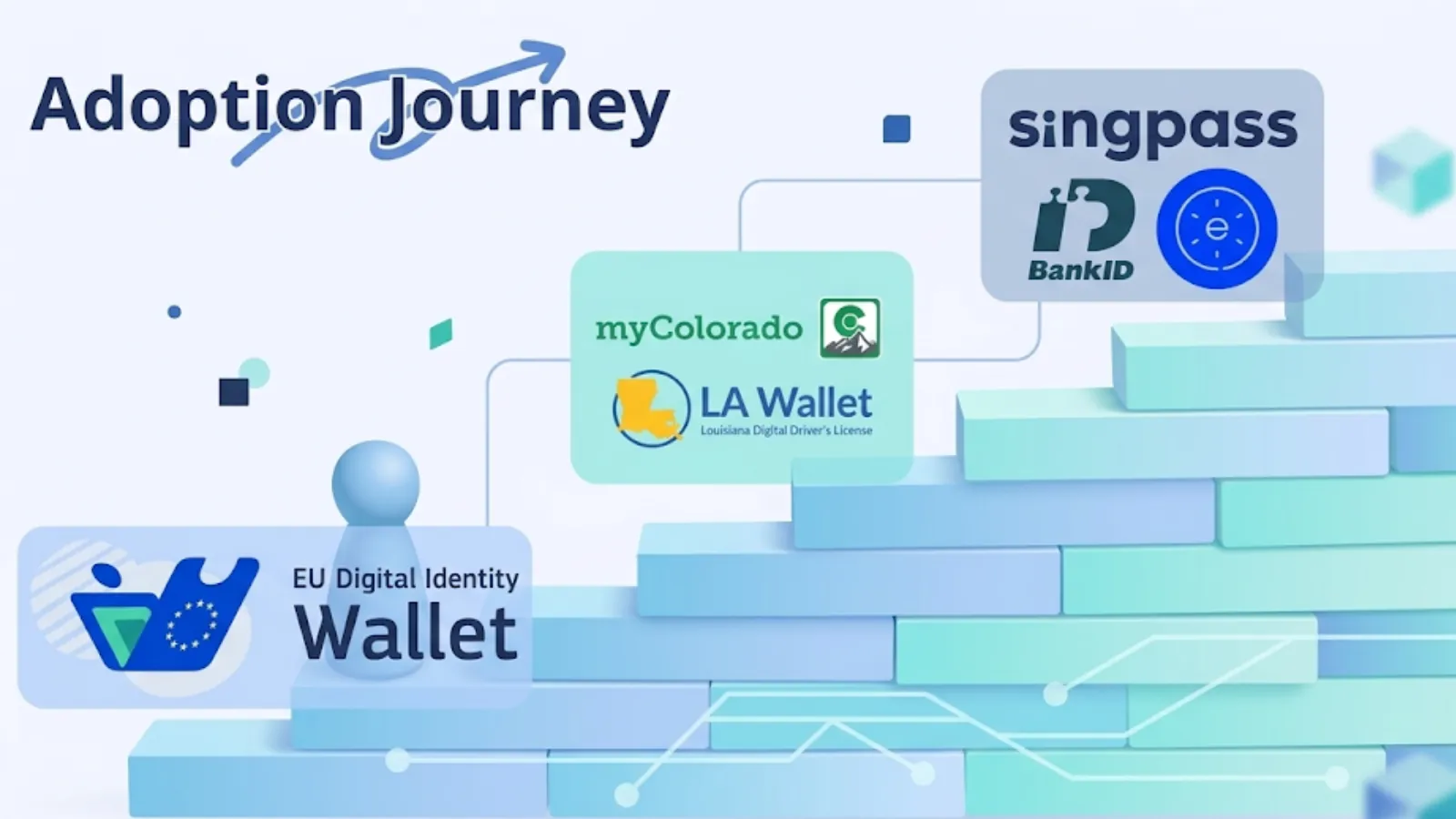
The strongest digital identity systems did not win because they existed. They won because they solved a useful first job, expanded into more services, and kept lowering friction over time. The same lesson applies to EUDI Wallet adoption.
What the EUDI Wallet Is, and What It Is Not
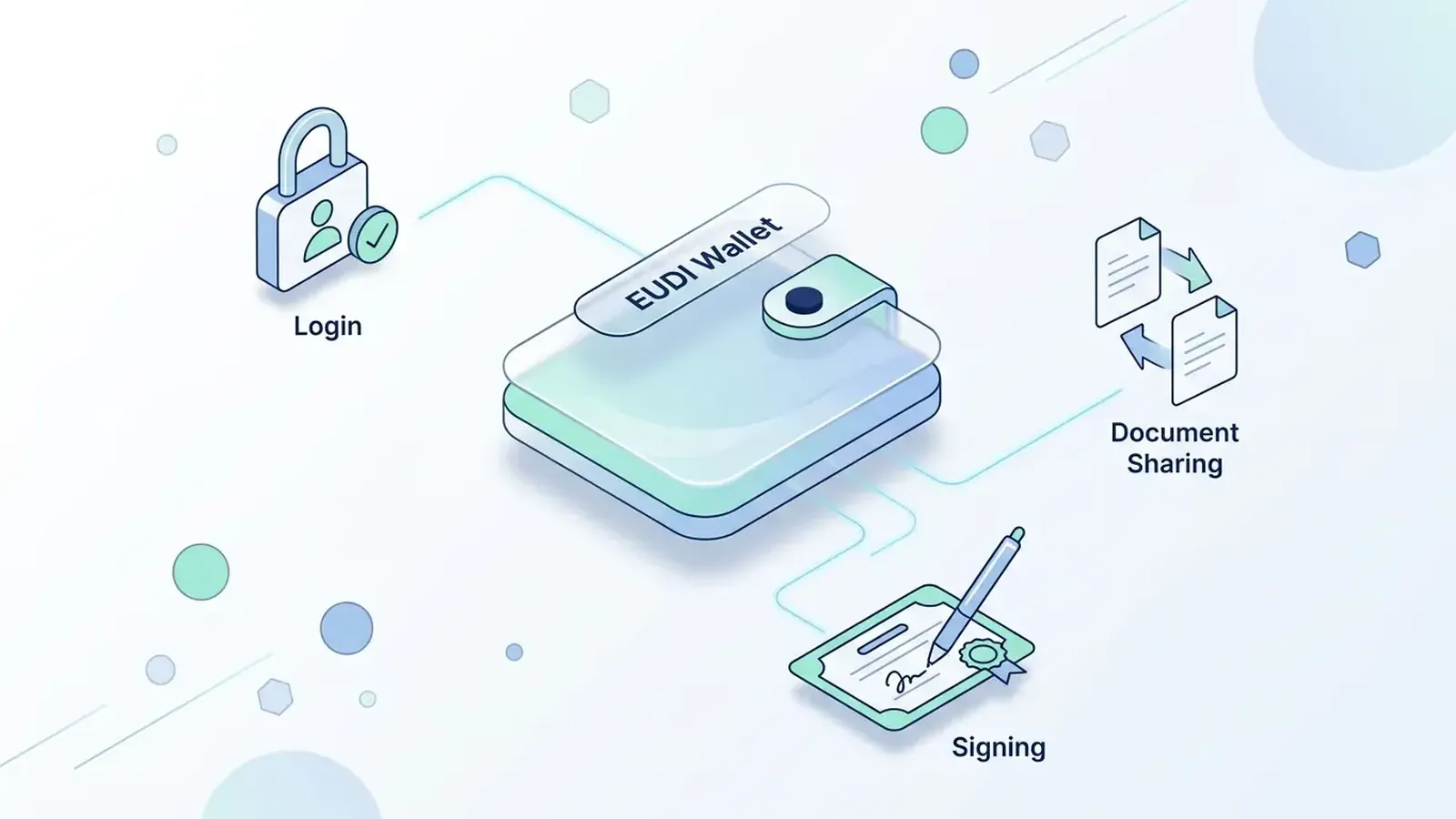
The most basic EUDI Wallet questions still create unnecessary confusion. Two of the clearest answers are simple: the wallet is meant to be free for citizens, and it is not mandatory to use. From there, the next question becomes what the wallet actually does and where the ecosystem still needs clearer answers.