Insights Built for Decisions
A weekly stream of signal-rich commentary on identity strategy, EUDI implementation, and product execution — especially useful for teams tracking EUDI readiness, wallet adoption, or identity product strategy

Lead Briefing
What the EU Business Wallet Proposal Changes for Identity, Mandates, and Cross-Border Workflows
The EU is not only building wallet infrastructure for citizens. The EU Business Wallet proposal creates a separate trust rail for organisations, delegated authority, and workflow-grade business identity. The first real impact shows up where companies repeatedly prove who they are and who is allowed to act for them.

What Higher Education Teams Should Actually Prepare For in the EUDI Wallet Rollout
Higher education teams should not treat the EUDI Wallet as a distant policy topic or as a full replacement for campus systems. The first real pressure point is wallet acceptance, credential verification, and trusted cross-border student journeys.
The EUDI Wallet Is Coming. The Harder Question Is Will Anyone Use It.
The EUDI Wallet does not fail if Europe ships an app late. It fails if the first version gives citizens, businesses, and relying parties too little reason to change behaviour. Adoption starts with one useful job, wider service coverage, and lower friction on both sides of the transaction.
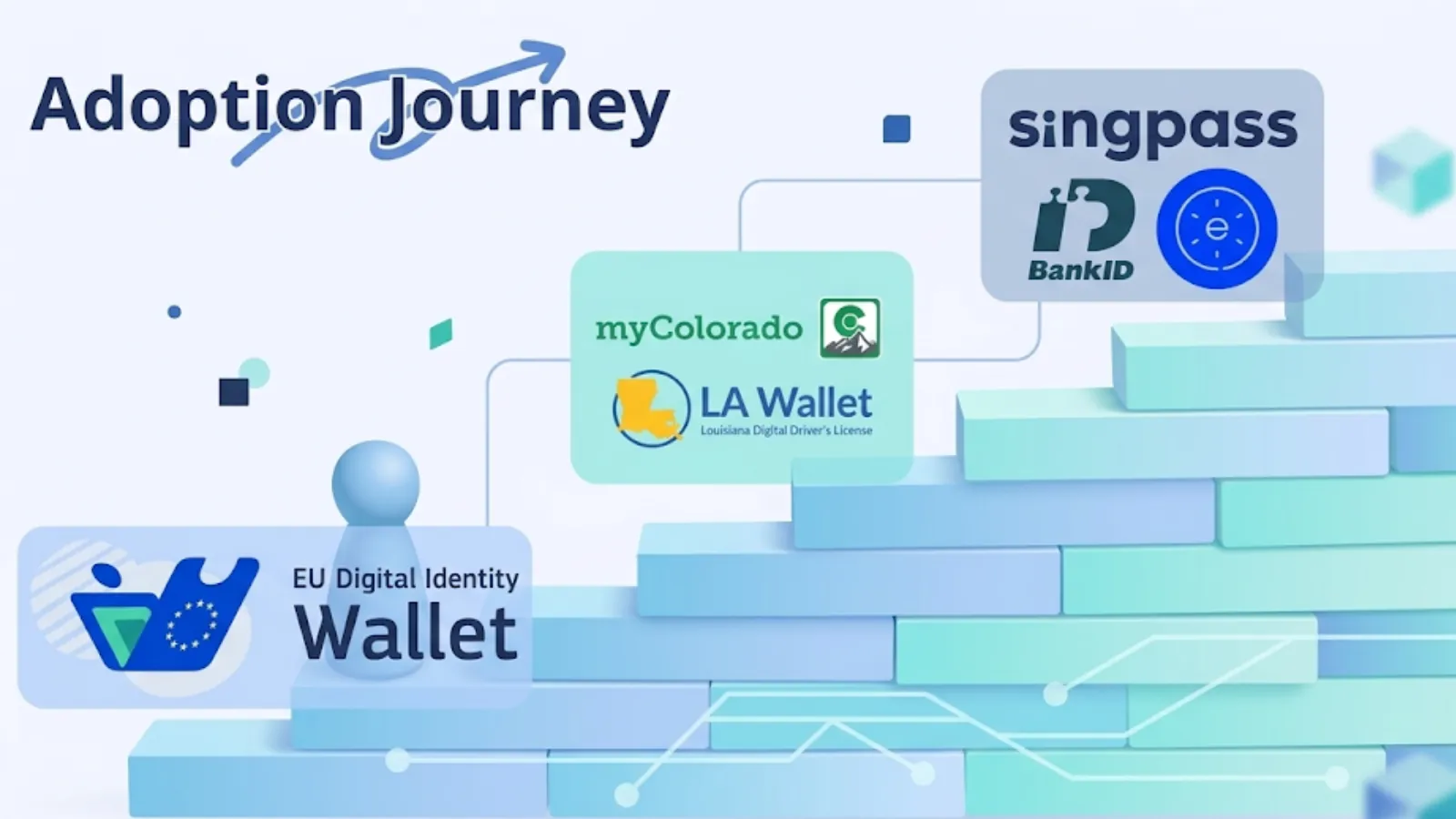
Driving EUDI Wallet Adoption Means Building for Repeated Use
The strongest digital identity systems did not win because they existed. They won because they solved a useful first job, expanded into more services, and kept lowering friction over time. The same lesson applies to EUDI Wallet adoption.

The EU Social Media Ban Debate Needs an Age-Assurance Baseline, Not One Forced App
Europe is moving fast on child online safety, but forcing one prototype or one app model too early risks fragmentation, lock-in, and weaker privacy. The better route is a shared trust baseline that allows multiple compliant age-assurance solutions to coexist.

Top 5 Identity Lessons from 20 Episodes
Standards alone do not create adoption. Trust, consumer-grade UX, high-frequency credentials, stronger remote onboarding, and realistic multi-network rollout do. These five lessons pull the identity conversation back to what actually changes usage.

Wallet Launch Is Not Readiness
Building and releasing a wallet is only the first milestone. Real readiness appears later, when certification, issuer and verifier maturity, accessibility, trust signals, and ecosystem operating models are forced into the same production reality.

Wallet Requester Trust Should Not Depend on the User Catching the Problem
Small design choices around requester registration, machine-readable intent, and default enforcement determine whether the wallet actually protects users or simply warns them after the fact. If too much depends on the user noticing misuse in real time, the protection model is still too weak.

The Real Adoption Problem Is a Trust Gap, Not a Technology Gap
Users do not need more wallet theory. They need familiar documents, visible privacy, simple explanations, and outcomes they already care about. Adoption fails when rollout stays generic and trust remains abstract.

Why Telcos Are Well Positioned in the Wallet Market
Telcos are moving deeper into digital identity because they already hold several advantages the wallet market values highly: KYC at scale, device security, network trust signals, and broad distribution. As wallet building gets easier, those advantages start to matter more than pure feature elegance.
If you want help turning these signals into practical next steps, let's talk.
Whether you're shaping identity strategy, wallet adoption, or ecosystem rollout — I can help you turn the signal into a practical roadmap.
Prefer LinkedIn? Message me there.