
Key Takeaways
- Trust and consumer-grade UX still decide whether people start.
- High-frequency credentials create stronger pull than low-frequency roadmap features.
- Passkeys and verifiable credentials work better as complementary layers than as rival answers.

Top 5 identity lessons from 20 episodes
Download slideFive practical lessons connect trust, UX, credentials, onboarding, and rollout into one adoption playbook that is much closer to how identity products actually succeed or fail.
Next Actions
- Convert the strongest point into an internal briefing note.
- Choose one use case to pressure-test in the next two weeks.
- Align commercial and technical owners on the implication for delivery.
Strategy Call
Want to turn this into a practical next step?
Whether you're shaping identity strategy, wallet adoption, or product direction - let's discuss what makes sense.
Prefer LinkedIn? Message me there .
Related Insights
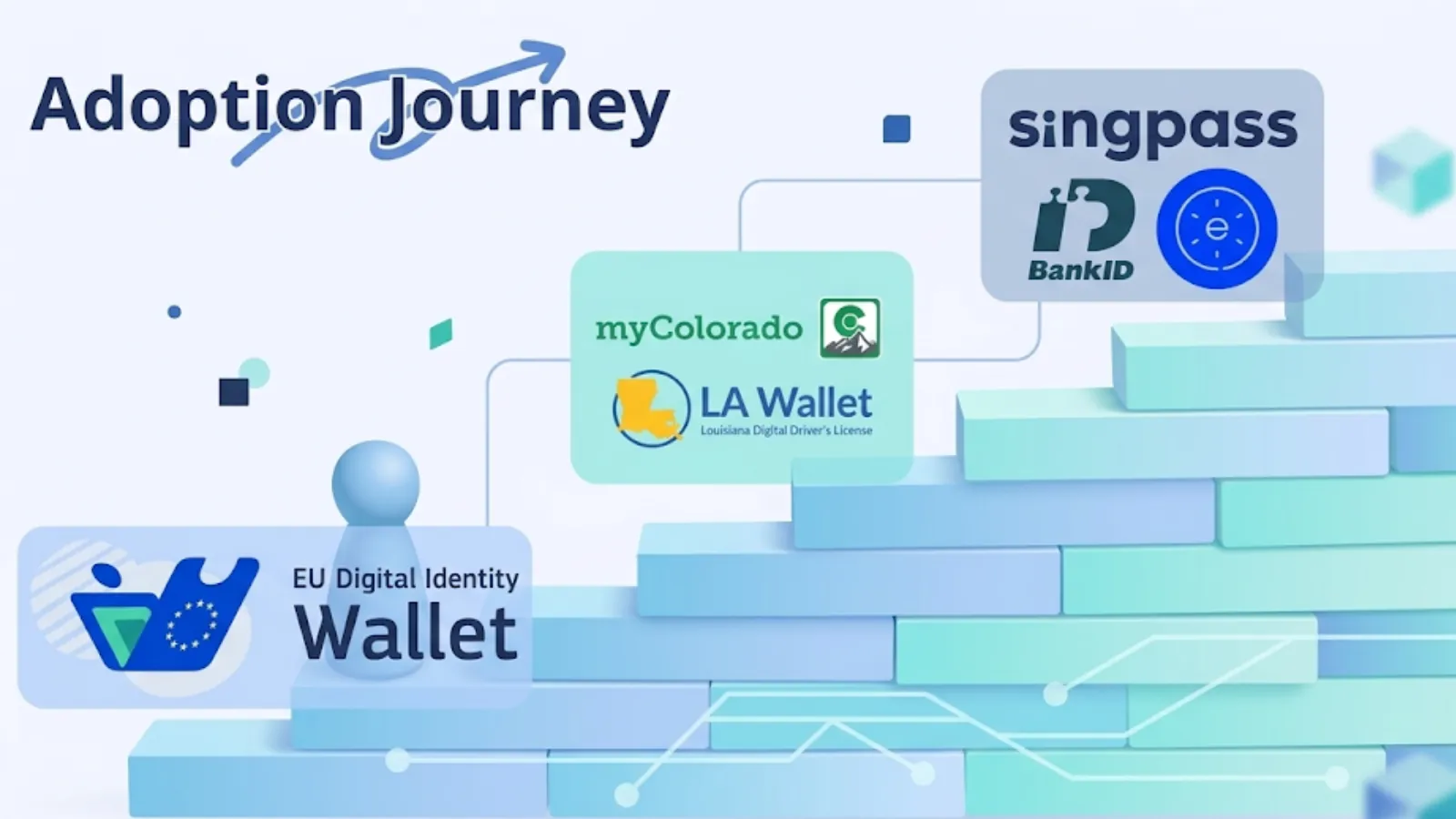
Driving EUDI Wallet Adoption Means Building for Repeated Use
The strongest digital identity systems did not win because they existed. They won because they solved a useful first job, expanded into more services, and kept lowering friction over time. The same lesson applies to EUDI Wallet adoption.
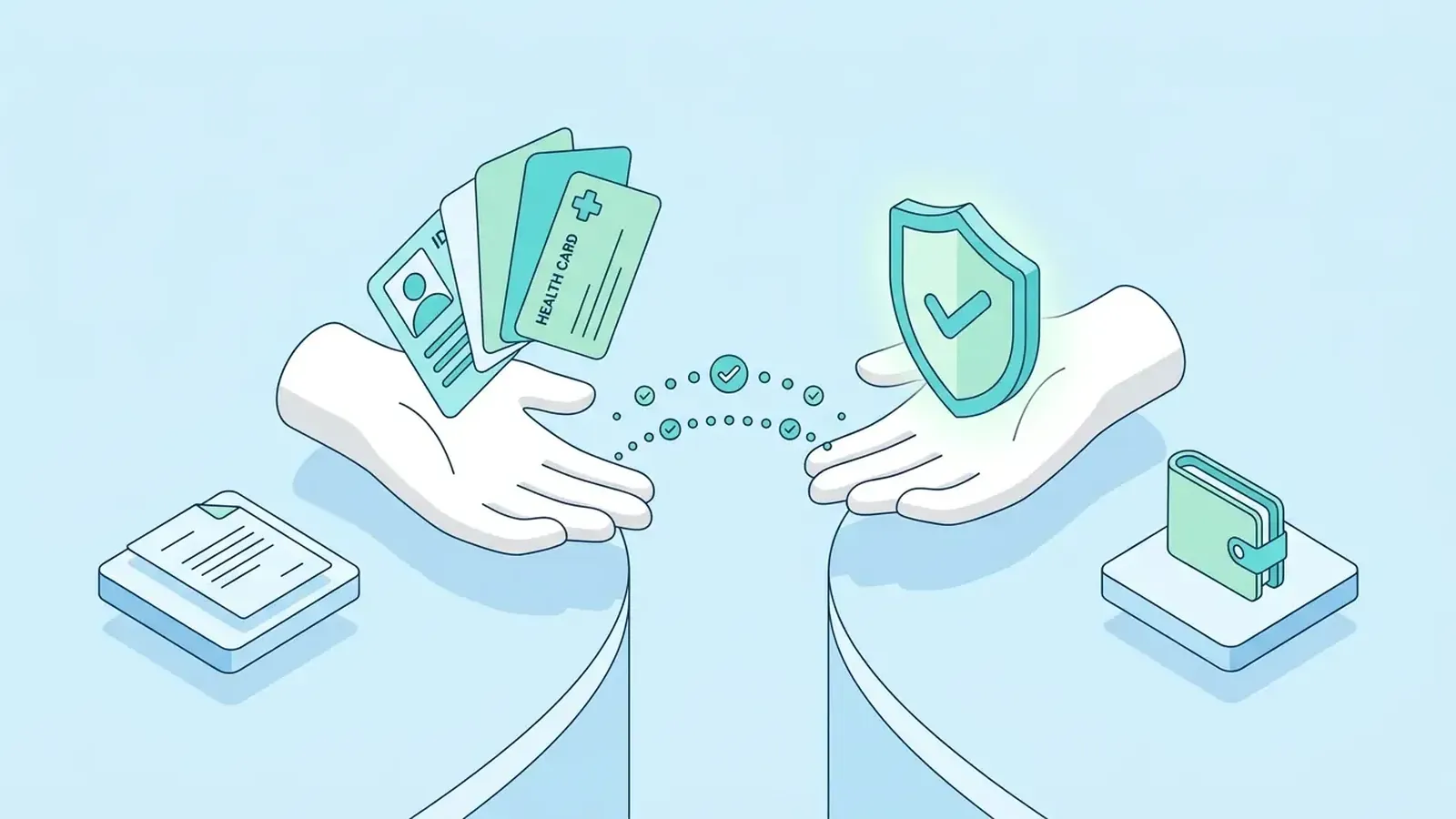
The Real Adoption Problem Is a Trust Gap, Not a Technology Gap
Users do not need more wallet theory. They need familiar documents, visible privacy, simple explanations, and outcomes they already care about. Adoption fails when rollout stays generic and trust remains abstract.
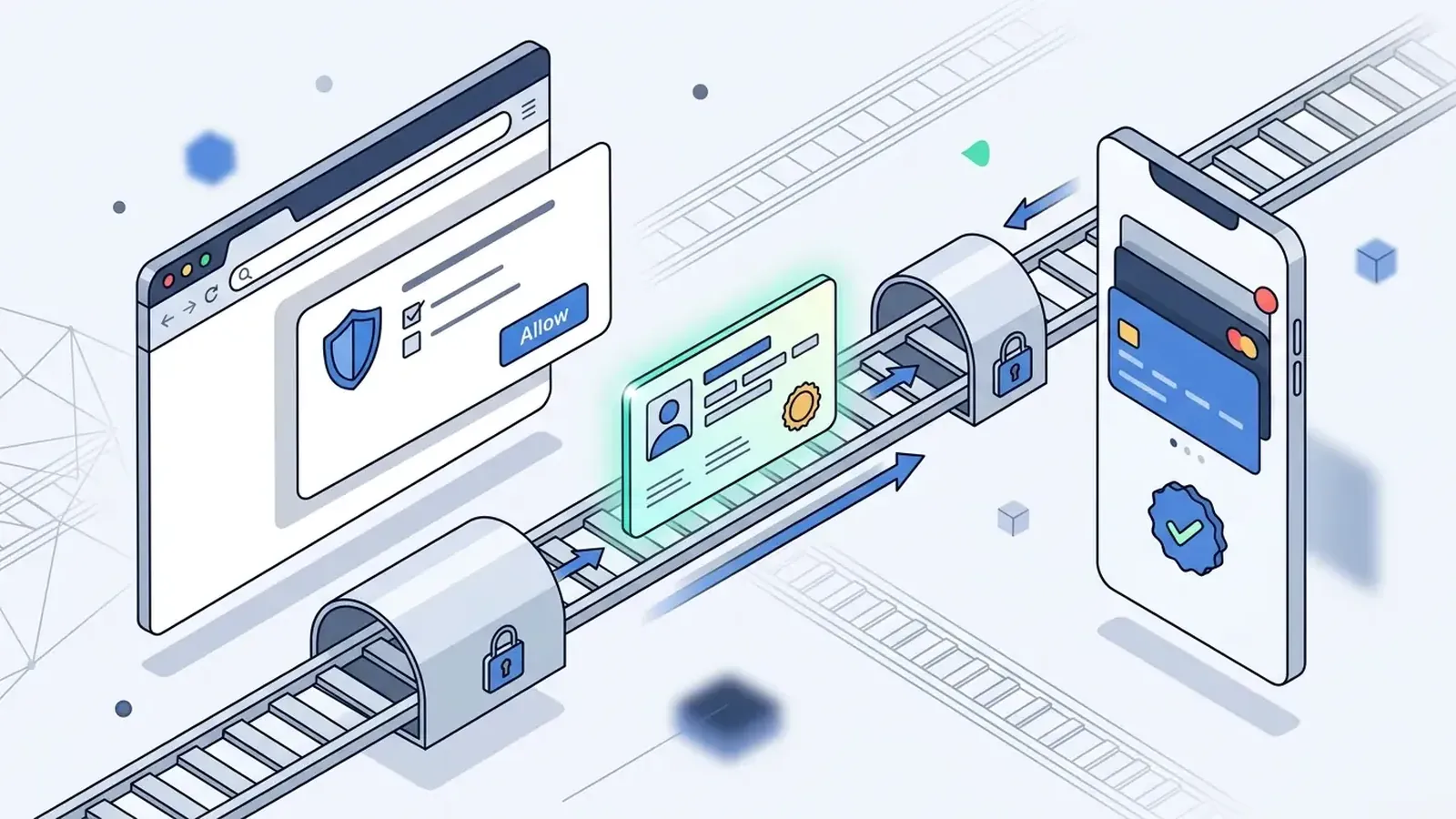
The Digital Credentials API Solves a UX Problem and Reopens a Sovereignty Question
Native credential issuance could remove one of the biggest adoption bottlenecks in digital identity: getting verified data into wallets without fragmented issuer-specific flows. That same convenience also raises a harder question about browser power, metadata visibility, and how much sovereignty Europe is willing to trade for better UX.