
Key Takeaways
- A generic wallet strategy misses what different user groups actually value.
- People care more about outcomes and familiar documents than about the wallet as a technical object.
- Visible privacy and trust signals matter more than abstract assurances that the technology is secure.
The adoption problem is not that people cannot handle digital identity. It is that too many rollout strategies still talk about the wallet before they prove safety, relevance, and familiar value.
Executive Summary
- A generic wallet strategy misses what different user groups actually value.
- People care more about outcomes and familiar documents than about the wallet as a technical object.
- Visible privacy and trust signals matter more than abstract assurances that the technology is secure.
- The wallet may become background infrastructure later, but only after setup, recovery, and acceptance feel reliable enough to disappear.
What This Is About
Two strong signals keep repeating in adoption research and in the surrounding comment threads.
The first is that value is segmented. Students, seniors, retirees, expats, and other groups do not rank the same reasons for using the wallet.
The second is that trust is visible. People respond to what they can recognize:
- a familiar issuer
- a familiar document
- a clear explanation of privacy and security
- a task they already want to complete
That is why one-size-fits-all messaging underperforms. It tries to sell a technology layer when users are still asking whether the outcome feels useful and safe.
One Rollout Message Cannot Fit Every Segment
The biggest mistake in wallet adoption is assuming the market wants one master narrative.
It does not. Different groups care about different outcomes. That means rollout, messaging, and prioritization have to reflect segment reality instead of assuming one generic use-case list will do the job.
That is also why “important documents” often outperform “government portal login” as a motivating idea. People want the thing they need, not the mechanism in isolation.
People Want Familiar Documents and Real Outcomes
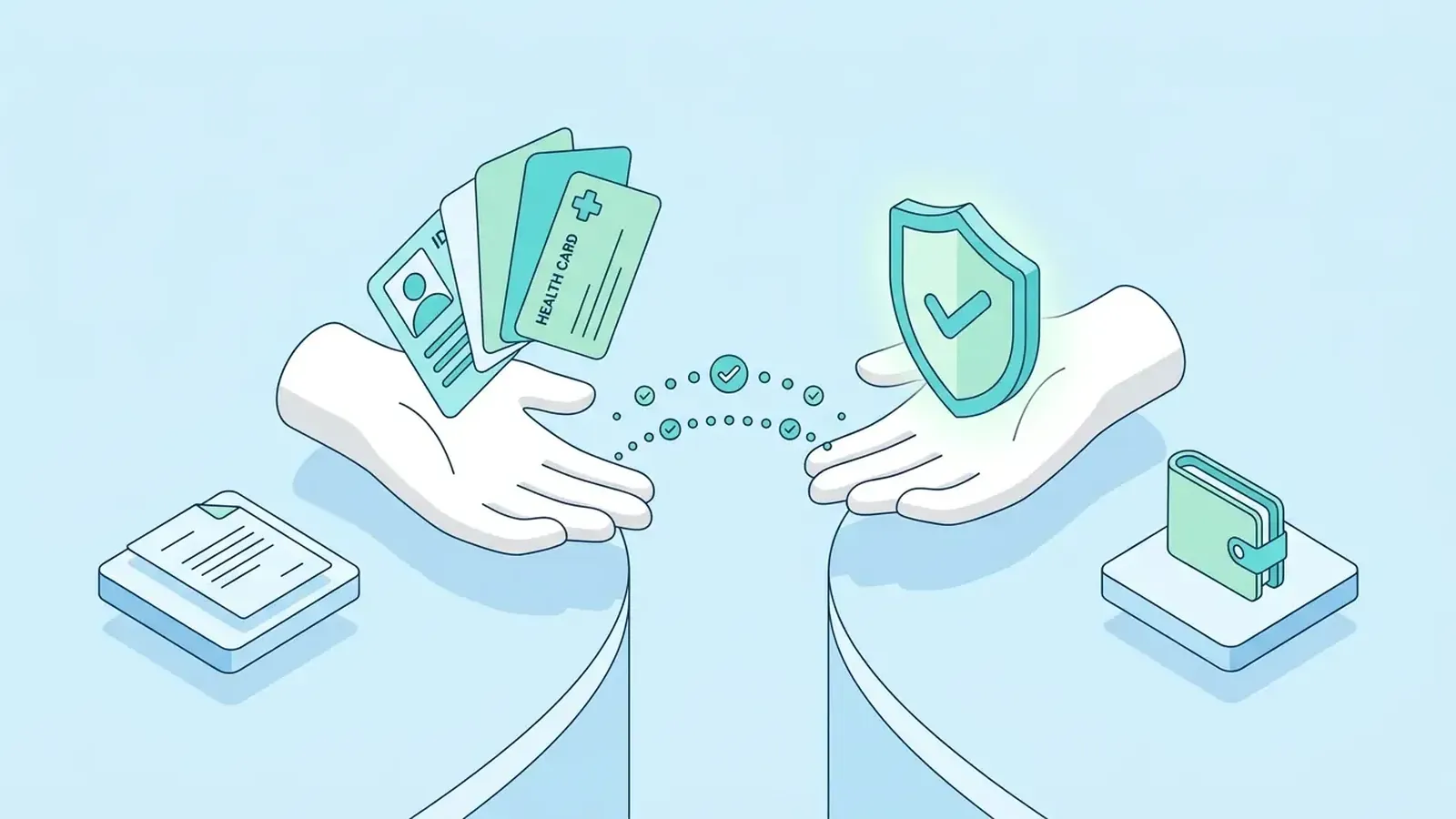
One of the clearest findings is that users prefer digital versions of things they already understand:
- IDs
- driver’s licences
- health cards
- important personal documents
That is a much stronger adoption path than leading with abstract credentials that only specialists understand.
The same logic shows up in the outcome question. Accessing records, documents, renewals, payments, or signatures is usually easier to value than logging into a portal for its own sake. Users are buying the outcome, not the architecture story behind it.
Visible Privacy Beats Abstract Safety Claims
The trust issue is not only institutional. It is also experiential.
People move faster when privacy and security are easy to see:
- clear explanation of what is stored
- simple explanation of how it works
- obvious security features
- understandable consent and session control
That is why “trust gap, not technology gap” is such a useful framing. The blocker is not only whether the wallet can work. The blocker is whether users feel safe enough to turn it on and keep using it.
The Wallet Can Become Infrastructure, But Not Yet Invisible
There is a good argument that the wallet should eventually feel more like infrastructure than like a destination product. That is directionally right.
But it is too early to assume users will not notice it.
They will notice:
- clumsy setup
- weak recovery
- inconsistent verifier acceptance
- poor privacy explanation
- confusing issuer choices
That is where the infrastructure analogy breaks down. Invisible infrastructure only becomes invisible after it proves itself through reliable everyday use.
Trust Still Has an Issuer Dimension
Trust is also shaped by who is providing the wallet and how that choice is perceived.
Strong preference for government-issued options does not mean every public wallet is automatically loved. It does show that provider trust and perceived legitimacy matter more than many product teams assume.
That creates two practical lessons at once:
- issuer choice affects adoption
- issuer choice still has to be supported by visible privacy, clarity, and user experience
Trust is not one thing. It is institutional, visual, and operational at the same time.
Why This Matters
The market is at risk of over-selling the wallet and under-designing the trust experience around it.
That creates weak adoption in two ways:
- the product story becomes too abstract
- the trust story becomes too vague
If the first live experience does not feel safe, useful, and understandable, users will not care that the underlying technology is advanced.
This connects directly with Driving EUDI Wallet Adoption Means Building for Repeated Use, which focuses on repeated utility, and Top 5 Identity Lessons from 20 Episodes, which reinforces the role of first-run trust and strong user experience.
Recommended Next Actions
- Stop treating the wallet itself as the main thing users are meant to desire.
- Prioritize familiar documents and high-value outcomes before abstract credential concepts.
- Build segmented rollout and messaging instead of one generic value proposition.
- Make privacy and security visible in the first screens, not only in the policy layer.
- Test whether setup, recovery, and verifier acceptance are strong enough for the wallet to fade into the background later.
- Measure trust signals and task completion, not only awareness of the wallet brand.
Sources
- Short-post source set on segment-specific use cases, visible privacy, and issuer trust
- User-research and comment-thread insights on outcomes, trust, and provider preference
Next Actions
- Validate whether this insight changes your current roadmap assumptions.
- Identify one dependency to verify with product, legal, or architecture this week.
- Turn one takeaway into a concrete implementation decision.
Strategy Call
Want to turn this into a practical next step?
Whether you're shaping identity strategy, wallet adoption, or product direction - let's discuss what makes sense.
Prefer LinkedIn? Message me there .
Related Insights
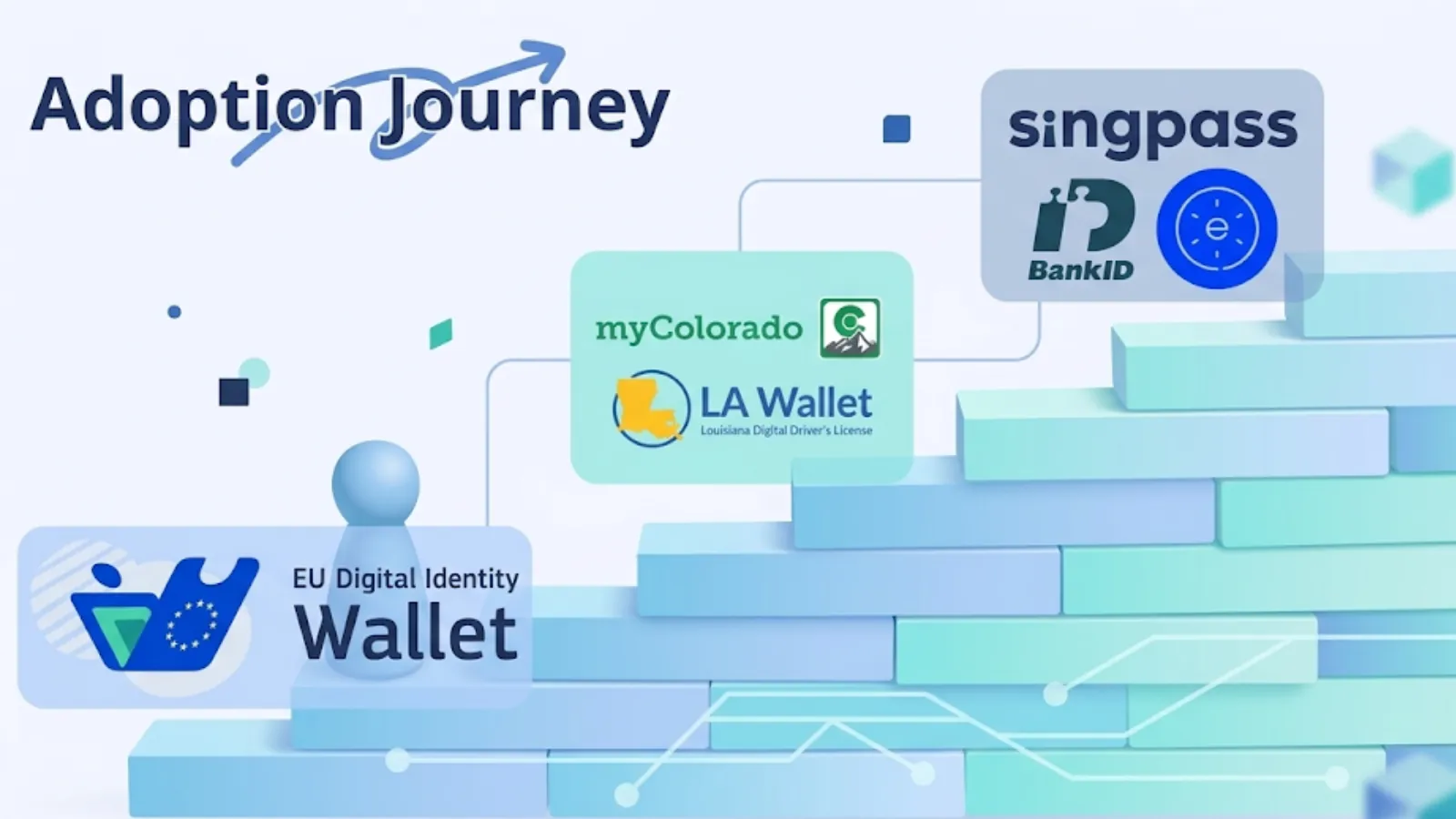
Driving EUDI Wallet Adoption Means Building for Repeated Use
The strongest digital identity systems did not win because they existed. They won because they solved a useful first job, expanded into more services, and kept lowering friction over time. The same lesson applies to EUDI Wallet adoption.

Top 5 Identity Lessons from 20 Episodes
Standards alone do not create adoption. Trust, consumer-grade UX, high-frequency credentials, stronger remote onboarding, and realistic multi-network rollout do. These five lessons pull the identity conversation back to what actually changes usage.
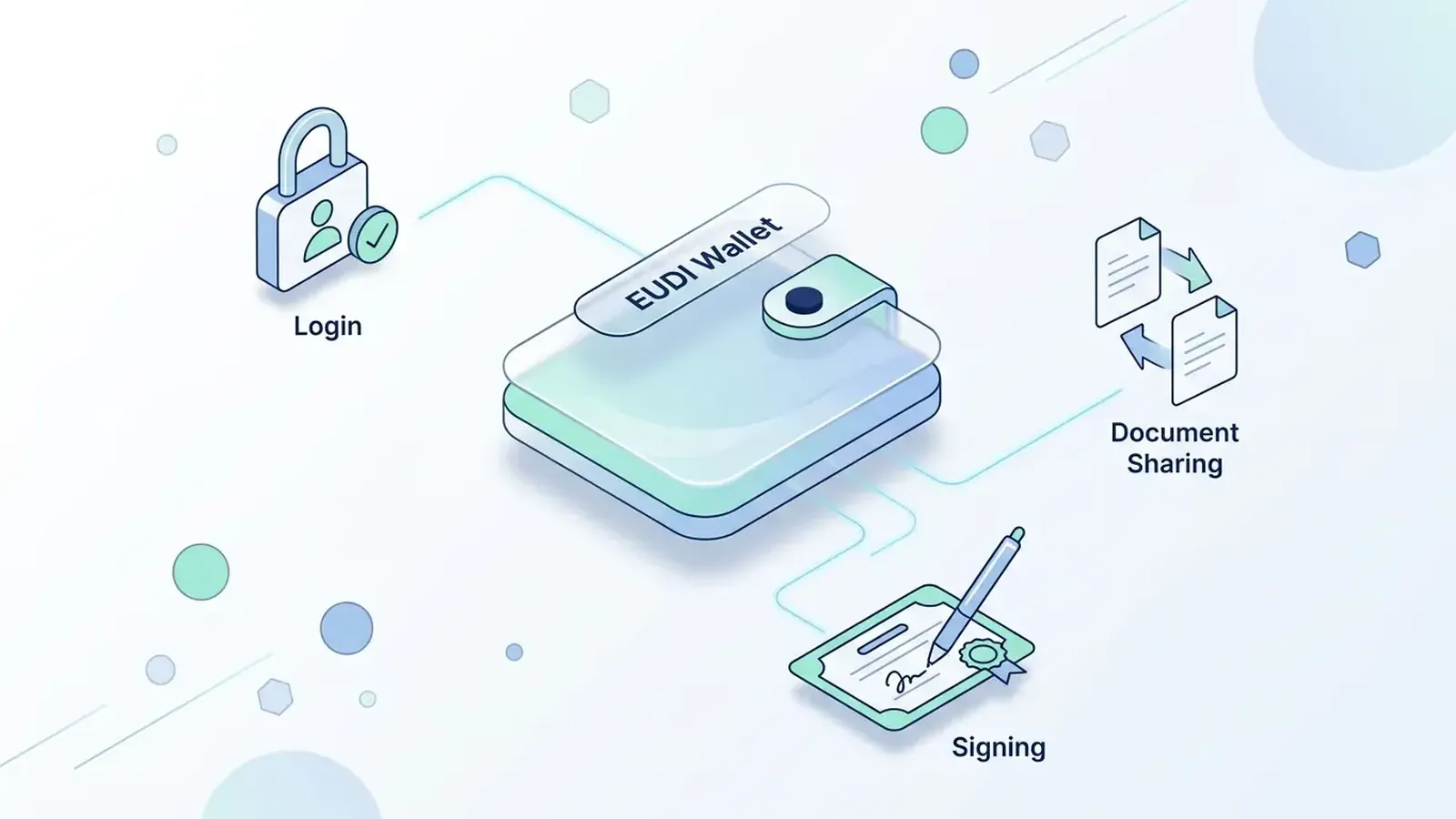
What the EUDI Wallet Is, and What It Is Not
The most basic EUDI Wallet questions still create unnecessary confusion. Two of the clearest answers are simple: the wallet is meant to be free for citizens, and it is not mandatory to use. From there, the next question becomes what the wallet actually does and where the ecosystem still needs clearer answers.