Why Telcos Are Well Positioned in the Wallet Market
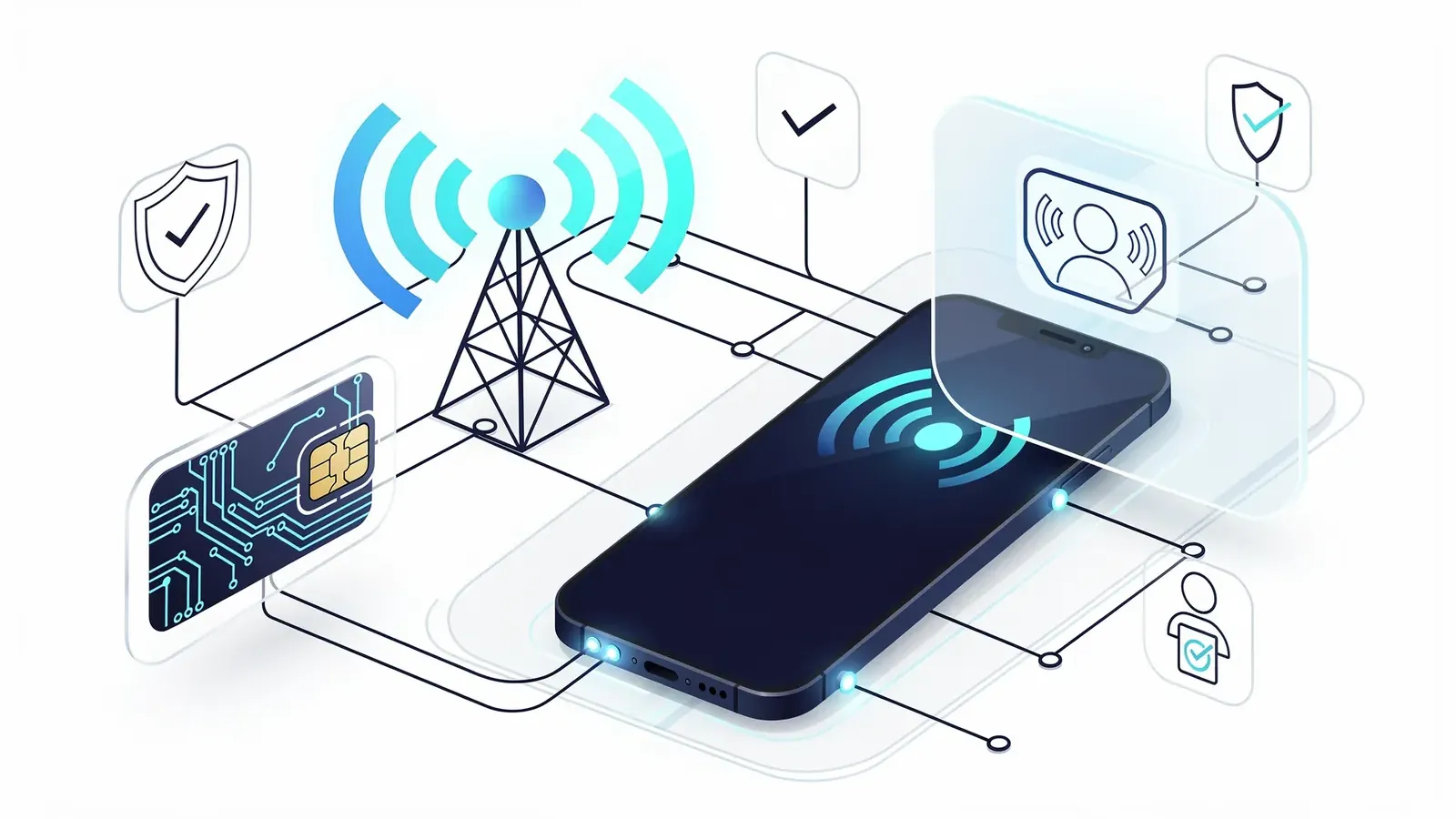
Telcos are moving deeper into digital identity because they already hold several advantages the wallet market values highly: KYC at scale, device security, network trust signals, and broad distribution.

Key Takeaways
- Telcos already hold core ingredients that matter in identity: customer onboarding, device control, network trust signals, and distribution.
- Several European examples show telcos moving from support roles into productized identity offerings.
- As wallet building gets easier, distribution and embedded workflow position become stronger competitive advantages.
European telcos are moving deeper into digital identity for a reason. They already sit on several things the wallet market struggles to build from scratch: KYC at scale, device-level trust, network signals, and customer reach. That makes them more than infrastructure bystanders.
Executive Summary
- Telcos already hold core ingredients that matter in identity: customer onboarding, device control, network trust signals, and distribution.
- Several European examples show telcos moving from support roles into productized identity offerings.
- As wallet building gets easier, distribution and embedded workflow position become stronger competitive advantages.
- The real strategic question is whether telcos own the wallet experience or become the trust layer behind it.
What This Is About
Many wallet discussions still focus on who can build the best wallet features. That is no longer the only useful question.
As building gets easier, other advantages start to matter more:
- who already has customers
- who already sits inside important workflows
- who already controls trust signals the market needs
- who can package the new capability as an upgrade instead of a replacement
That is why telcos deserve more attention than they usually get in wallet strategy conversations.
Telcos Already Hold a Large Part of the Stack
Telcos are unusually well positioned because they already operate close to several trust layers at once.
They often already handle:
- KYC at scale
- SIM and device relationships
- network fraud and trust signals
- large customer bases
- enterprise security and access use cases
That combination is rare. It gives telcos a path into identity that is not purely theoretical and not limited to one narrow wallet feature.
Europe Is Already Moving in This Direction
The pattern is not hypothetical. It is already visible across multiple examples in Europe.
Deutsche Telekom is moving badges, smart cards, and access tokens into secure mobile form factors. Telefónica Tech is aligning with verifiable-credential-style identity models. GSMA Open Gateway is exposing network-based trust APIs such as number verification and SIM swap. itsme shows what a telco-backed identity model can look like at national scale when it connects identity, login, and signatures.
The bigger pattern is what matters. Telcos are not only enabling identity in the background. They are packaging identity as a product.
Distribution Starts to Matter More as Building Gets Easier
This is where the telco story connects to the wider market shift.
If wallet building becomes easier, pure product elegance matters less on its own. Distribution, trust, packaging, and installed workflow position start carrying more weight.
That matters because most customers do not want to replace core platforms unless the gain is overwhelming. They usually prefer upgrades from providers already sitting inside:
- onboarding
- access
- compliance
- workforce security
- authentication and trust flows
Telcos and other incumbents benefit from that upgrade logic more than many specialists do.
Enterprise Identity May Be the First Big Telco Wedge
The most immediate telco strength may not be the broad citizen wallet market. It may be enterprise and workforce identity.
The use cases already point there:
- office access
- laptop login
- encrypted email
- caller verification
- mobile-bound business credentials
That is important because enterprise identity is where telcos can combine device trust, distribution, and existing business relationships most directly. If they win there first, they gain a stronger bridge into the wider wallet ecosystem later.
Wallet Provider or Trust Layer?
The open strategic question is not whether telcos matter. They do. The real question is what role they end up owning.
They may become:
- user-facing wallet providers in some markets
- trust and verification layers behind third-party wallets
- issuers or gateway operators in enterprise settings
- distribution partners that help identity capabilities reach mainstream scale
The answer will probably vary by market, regulation, and existing identity landscape. But the market should stop assuming telcos are only passive pipes.
Why This Matters
The wallet market rewards routes into real use, not only feature demos. The strongest players are often the ones that can turn a trust position, distribution channel, and existing customer relationship into repeated adoption.
That is where telcos become much more interesting. They already own trust-adjacent infrastructure, customer access, and upgrade paths many other players would have to fight to acquire.
This connects naturally with Driving EUDI Wallet Adoption Means Building for Repeated Use, which focuses on what makes adoption real, and EUDI Wallet Will Often Arrive as a Layer, Not a Replacement, which focuses on how ecosystem positions turn into actual traction.
Recommended Next Actions
- Map which identity layers telcos already control before treating them as outside players.
- Separate enterprise and citizen-market opportunities instead of assuming one telco strategy fits both.
- Evaluate whether your market rewards wallet ownership or trust-layer ownership more strongly.
- Watch upgrade economics carefully: incumbents often win when buyers prefer extension over replacement.
- Treat distribution and trust as strategic assets, not as side effects of product quality.
- Look for places where telcos can package identity as a product line rather than as hidden infrastructure only.
Sources
- Short-post source set on telcos, identity positioning, and distribution advantage
- Telco and wallet examples referenced in Pavol’s post set, including Deutsche Telekom, Telefónica Tech, GSMA Open Gateway, and itsme
Next Actions
- Validate whether this insight changes your current roadmap assumptions.
- Identify one dependency to verify with product, legal, or architecture this week.
- Turn one takeaway into a concrete implementation decision.
Strategy Call
Want to turn this into a practical next step?
Whether you're shaping identity strategy, wallet adoption, or product direction - let's discuss what makes sense.
Prefer LinkedIn? Message me there .
Related Insights
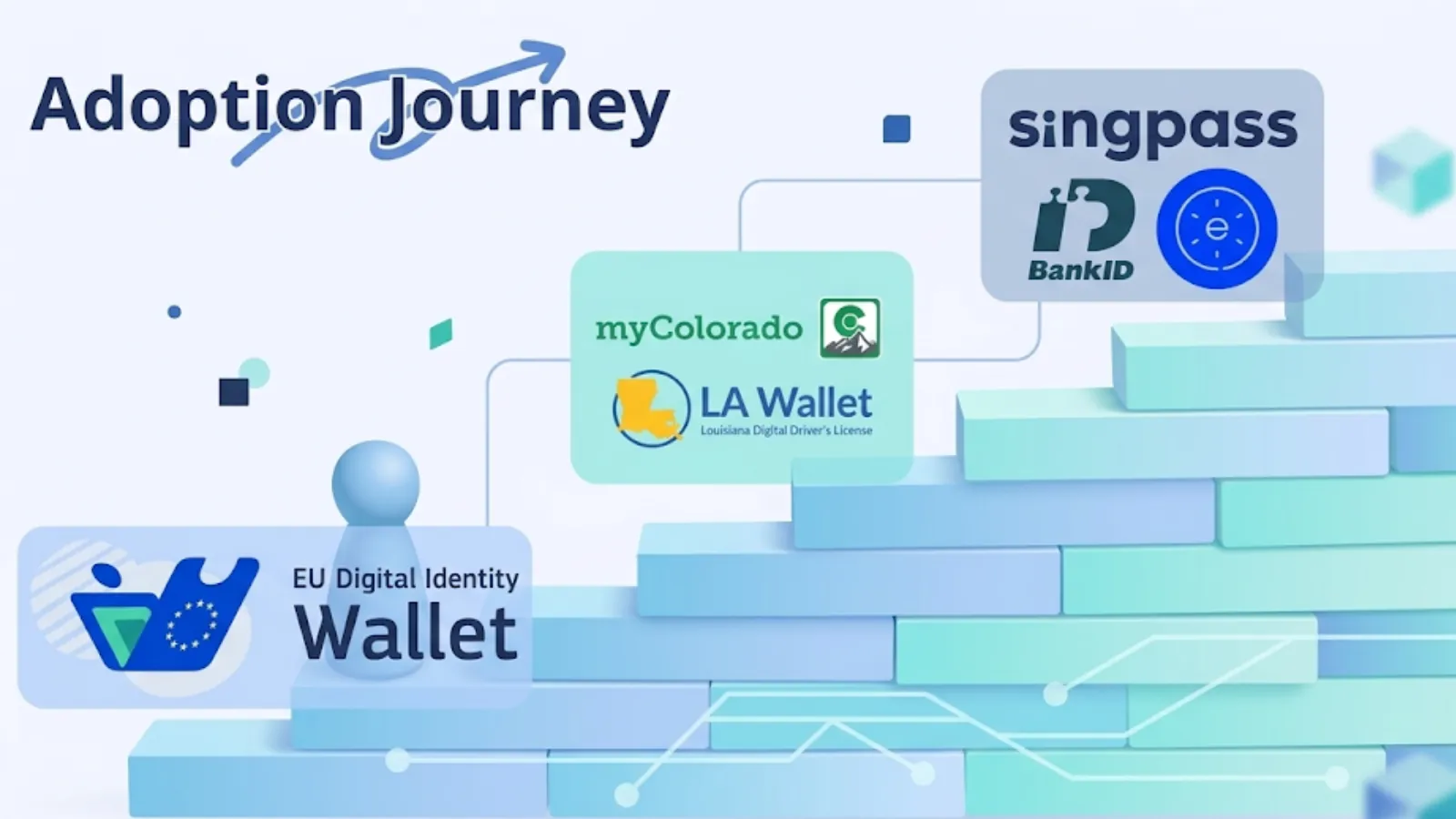
Driving EUDI Wallet Adoption Means Building for Repeated Use
The strongest digital identity systems did not win because they existed. They won because they solved a useful first job, expanded into more services, and kept lowering friction over time. The same lesson applies to EUDI Wallet adoption.
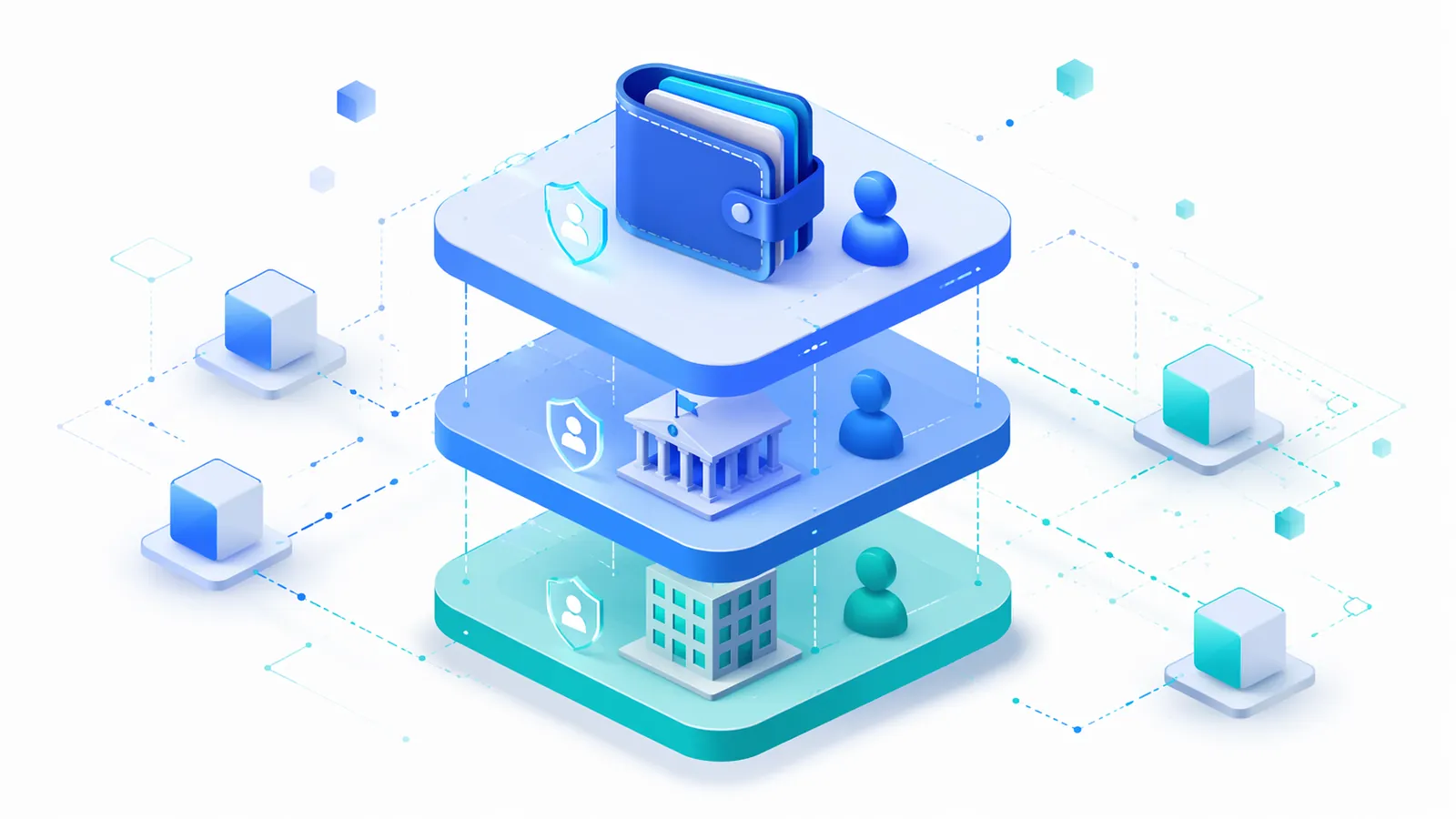
EUDI Wallet Will Often Arrive as a Layer, Not a Replacement
Poland, Italy, and Belgium point to the same reality. In mature identity markets, EUDI arrives as a layer inside an existing setup, not as a clean reset. The hard work is deciding what gets replaced, what gets layered, and where new value comes from.
The Real Adoption Problem Is a Trust Gap, Not a Technology Gap
Users do not need more wallet theory. They need familiar documents, visible privacy, simple explanations, and outcomes they already care about. Adoption fails when rollout stays generic and trust remains abstract.