Digital Identity, Trust, and the Portability of Life Credentials
A podcast episode on self-sovereign identity, user-controlled credentials, EUDI Wallet trust infrastructure, and why reusable proofs matter across education, work, and borders.


Key Takeaways
- How to explain self-sovereign identity through user control rather than technical vocabulary.
- Why the EUDI Wallet should be understood as a trust framework, not just a credential storage app.
- How cross-border credential reuse could help students, workers, founders, and citizens avoid repeated manual checks.
Digital identity becomes useful when trusted credentials can move with the person. The important point is not self-sovereign identity as ideology. It is control, portability, and trust: proving relevant facts without starting from zero every time.
In this episode of Next Move with Travis and Eric, Pavol joins a practical discussion on user-controlled identity, the EUDI Wallet, issuer trust, and the long-term value of portable credentials.
What This Covers
- How to explain self-sovereign identity through user control rather than technical vocabulary.
- Why the EUDI Wallet should be understood as a trust framework, not just a credential storage app.
- How cross-border credential reuse could help students, workers, founders, and citizens avoid repeated manual checks.
- Why trust lists, issuer registries, and governance are hidden infrastructure behind reusability.
- How different services need different assurance levels rather than one universal login pattern.
Key Takeaways
The clearest explanation of SSI starts with the user problem: who controls the proof, who can ask for it, what gets shared, and how the person avoids dependence on a single centralised gatekeeper.
The EUDI Wallet adds value when credentials can be issued, held, presented, and verified inside a recognised trust framework. A digital diploma, licence, or identity credential matters because the verifier can trust the issuer and understand the credential status.
Cross-border reuse is one of the strongest practical use cases. Education, employment, professional status, business history, regulated onboarding, and relocation all involve repeated proof work that can become easier when credentials are portable and verifiable.
Issuer authority does not disappear. States, universities, professional bodies, and registries still matter. Digital credentials change how their claims are issued and checked.
Why It Matters
The long-term promise is not only faster onboarding. It is reducing the institutional drag people face when they move between services, countries, employers, universities, or regulated contexts.
For product teams, that means starting with repeated proof problems. Where does a user prove the same fact again and again? Which facts need high assurance? Which can be selectively disclosed? Which credentials need revocation, expiry, correction, or issuer updates?
For relying parties, the lesson is just as practical. Accepting a credential is more than scanning a QR code. Verifiers need to understand issuer trust, credential status, assurance level, and data minimisation.
Listen
Listen to the episode on YouTube: Next Move with Travis and Eric, Episode 14.
Related Reading
Next Actions
- Capture the one argument worth circulating internally.
- Translate the discussion into one product or ecosystem decision.
- Log open questions for your next architecture review.
Strategy Call
Want to turn this into a practical next step?
Whether you're shaping identity strategy, wallet adoption, or product direction - let's discuss what makes sense.
Prefer LinkedIn? Message me there .
Related Insights
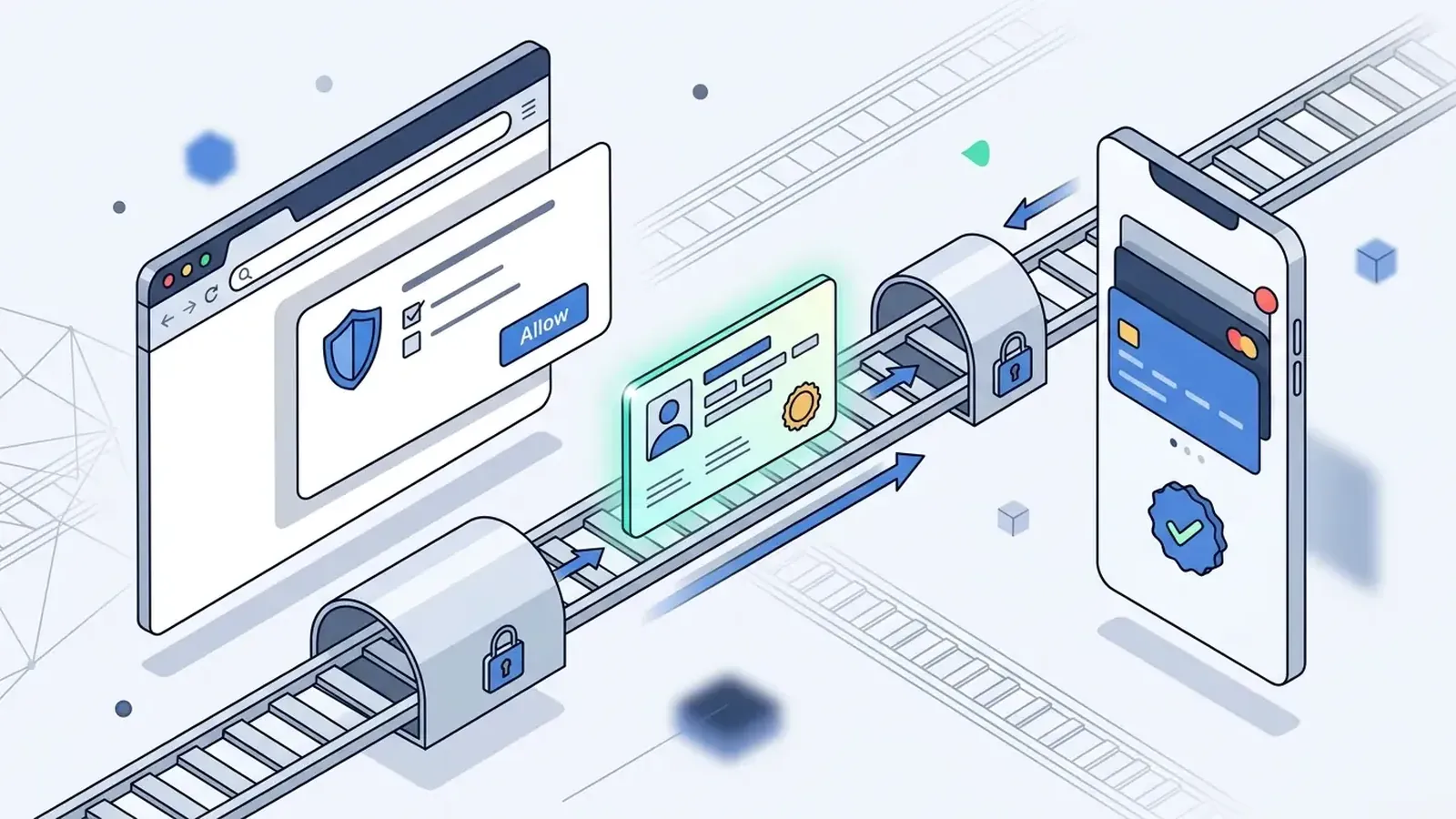
The Digital Credentials API Solves a UX Problem and Reopens a Sovereignty Question
Native credential issuance could remove one of the biggest adoption bottlenecks in digital identity: getting verified data into wallets without fragmented issuer-specific flows. That same convenience also raises a harder question about browser power, metadata visibility, and how much sovereignty Europe is willing to trade for better UX.
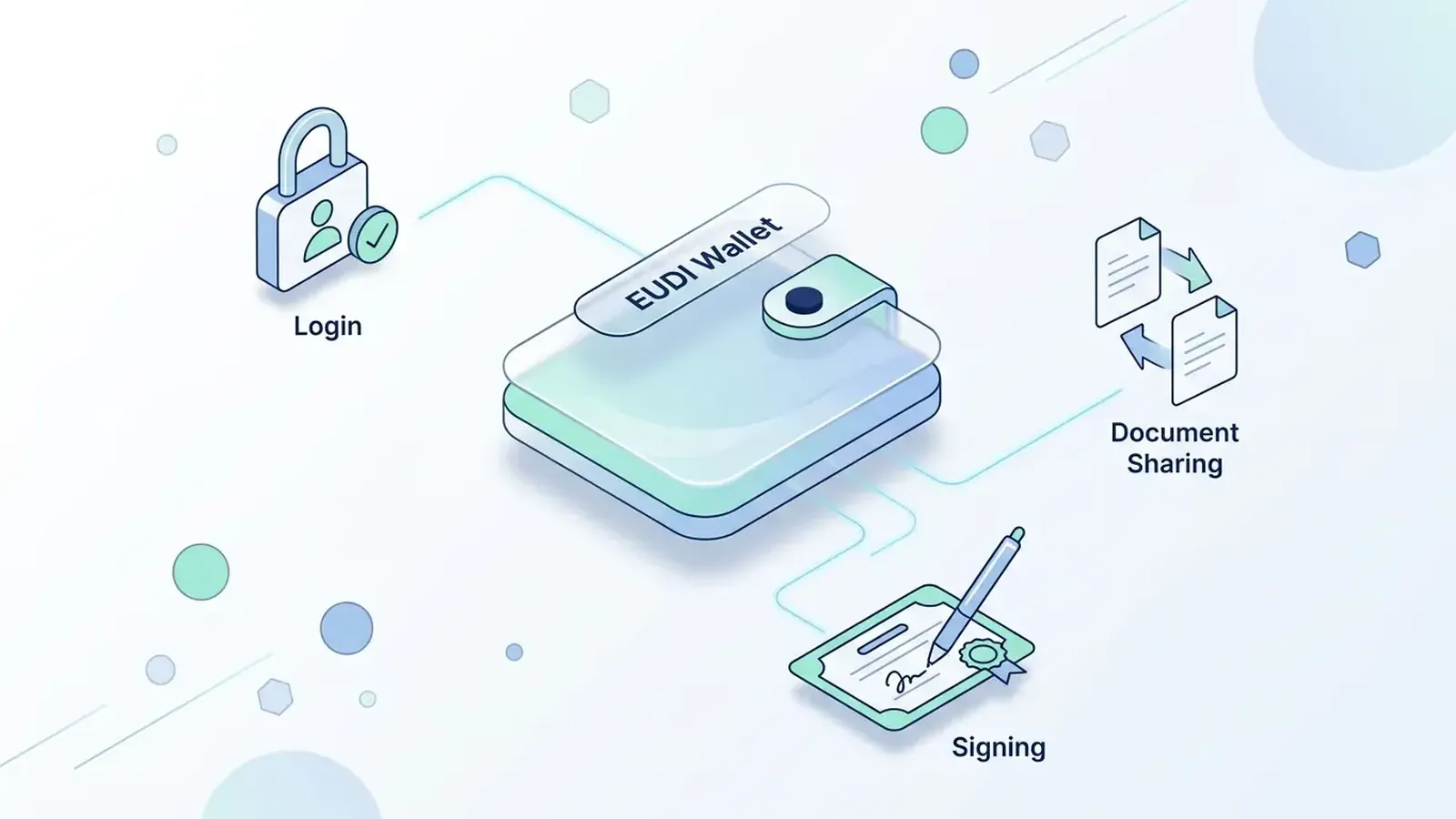
What the EUDI Wallet Is, and What It Is Not
The most basic EUDI Wallet questions still create unnecessary confusion. Two of the clearest answers are simple: the wallet is meant to be free for citizens, and it is not mandatory to use. From there, the next question becomes what the wallet actually does and where the ecosystem still needs clearer answers.

What Higher Education Teams Should Actually Prepare For in the EUDI Wallet Rollout
Higher education teams should not treat the EUDI Wallet as a distant policy topic or as a full replacement for campus systems. The first real pressure point is wallet acceptance, credential verification, and trusted cross-border student journeys.