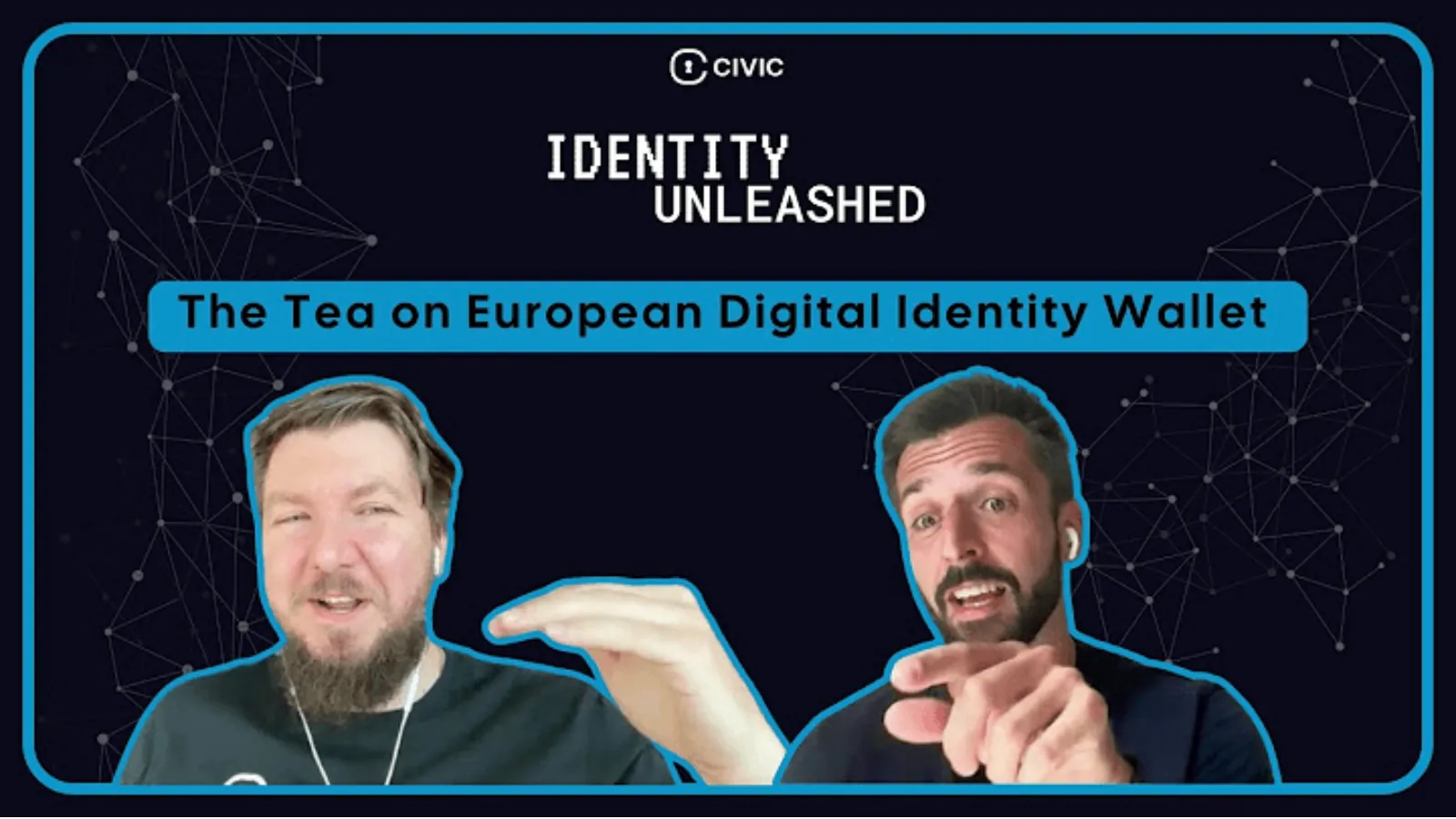
Spilling the Tea on Europe's Digital Wallet
A podcast conversation on why the EUDI Wallet will only matter if it becomes a reusable, trusted, and easy-to-use identity layer for real journeys, not just a compliance app.

Key Takeaways
- Why wallet UX needs to feel closer to everyday payment and login experiences than government form-filling.
- How reusable credentials could reduce repeated checks for age, employment, income, education, address, eligibility, and status.
- Why countries with mature digital identity systems may need a different adoption story from countries with weaker existing rails.
The EUDI Wallet’s real promise is not a digital version of an ID card. It is reusable trust: a way for people to prove important facts about themselves across services, sectors, and borders with less friction and more control.
In this Identity Unleashed conversation with Titus from Civic, the focus is adoption: what it will take for people to use wallets in real life, not only what regulation requires.
What This Covers
- Why wallet UX needs to feel closer to everyday payment and login experiences than government form-filling.
- How reusable credentials could reduce repeated checks for age, employment, income, education, address, eligibility, and status.
- Why countries with mature digital identity systems may need a different adoption story from countries with weaker existing rails.
- How privacy fears around centralisation and tracking become product risks, not only policy risks.
- Why cross-border mobility is one of the strongest strategic narratives for EUDI Wallet adoption.
Key Takeaways
Regulation can create wallet availability, but product quality will decide repeat usage. A wallet that technically complies but feels confusing, risky, or slow will struggle to become a daily trust layer.
Reusability is the clearest value story. People should not have to rebuild their identity, education, income, or eligibility history every time they deal with a new institution.
Privacy needs to be visible in the product. Transaction history, selective disclosure, clear data-sharing screens, revocation, expiry, and consent withdrawal all need simple user-facing models.
The best early use cases are not abstract. They are moments where people already prove the same facts again and again: renting an apartment, opening an account, applying for a job, proving age, enrolling in education, or moving between countries.
Why It Matters
The adoption challenge is not just convincing governments to launch wallets. It is convincing citizens that the wallet is useful, understandable, and safe.
That means wallet teams need to design for trust before, during, and after a sharing event. What did I share? With whom? For what purpose? Can I see it later? Can I limit it? What happens if something changes?
For relying parties, the shift is just as important. The wallet is not an invitation to collect more data. Its value depends on asking for the minimum proof needed and making verification easier than today’s document-heavy alternatives.
Listen
Listen to the episode on YouTube: Spilling the Tea on Europe’s Digital Wallet.
Related Reading
Next Actions
- Capture the one argument worth circulating internally.
- Translate the discussion into one product or ecosystem decision.
- Log open questions for your next architecture review.
Strategy Call
Want to turn this into a practical next step?
Whether you're shaping identity strategy, wallet adoption, or product direction - let's discuss what makes sense.
Prefer LinkedIn? Message me there .
Related Insights
The EUDI Wallet Is Coming. The Harder Question Is Will Anyone Use It.
The EUDI Wallet does not fail if Europe ships an app late. It fails if the first version gives citizens, businesses, and relying parties too little reason to change behaviour. Adoption starts with one useful job, wider service coverage, and lower friction on both sides of the transaction.
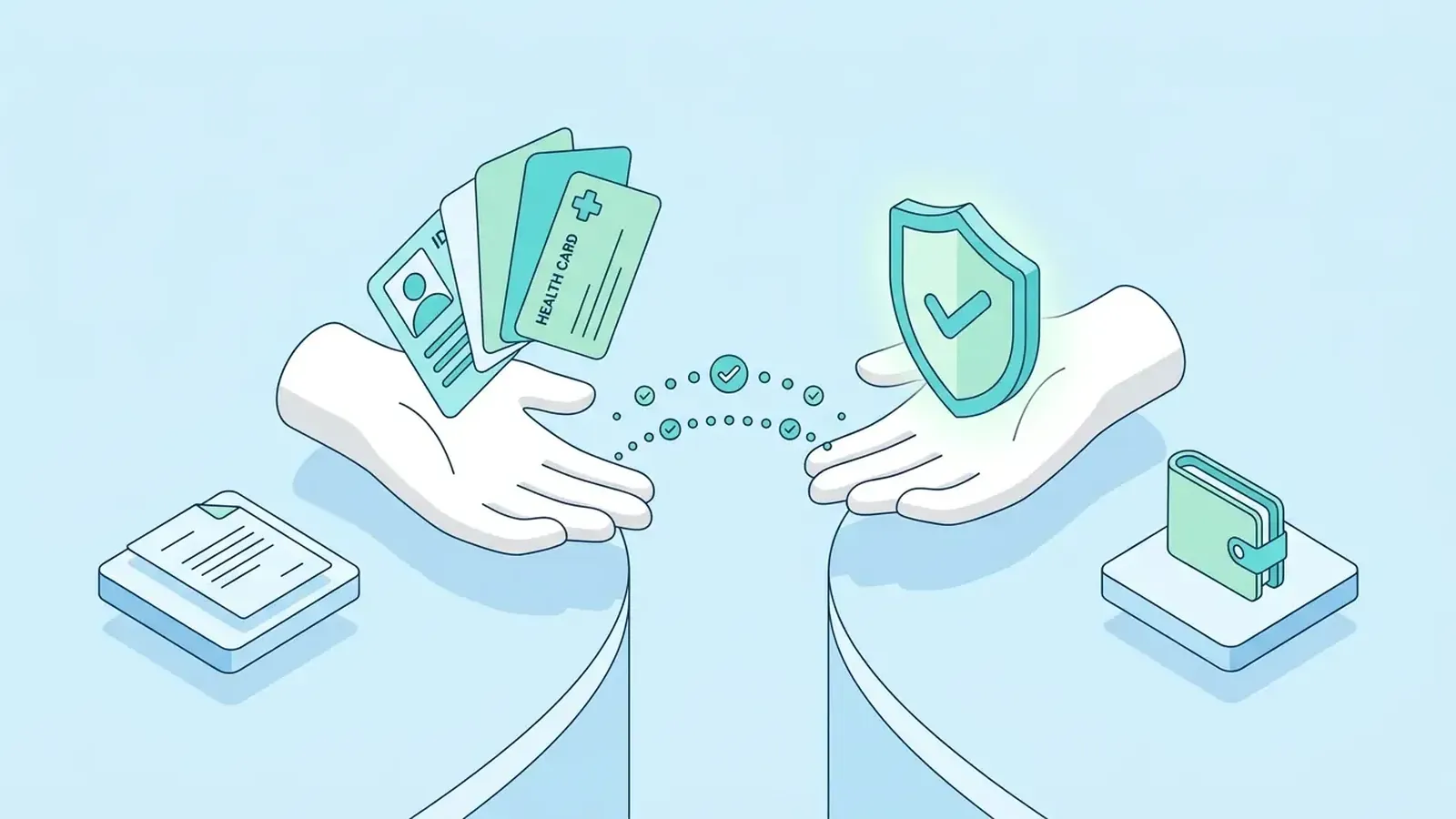
The Real Adoption Problem Is a Trust Gap, Not a Technology Gap
Users do not need more wallet theory. They need familiar documents, visible privacy, simple explanations, and outcomes they already care about. Adoption fails when rollout stays generic and trust remains abstract.
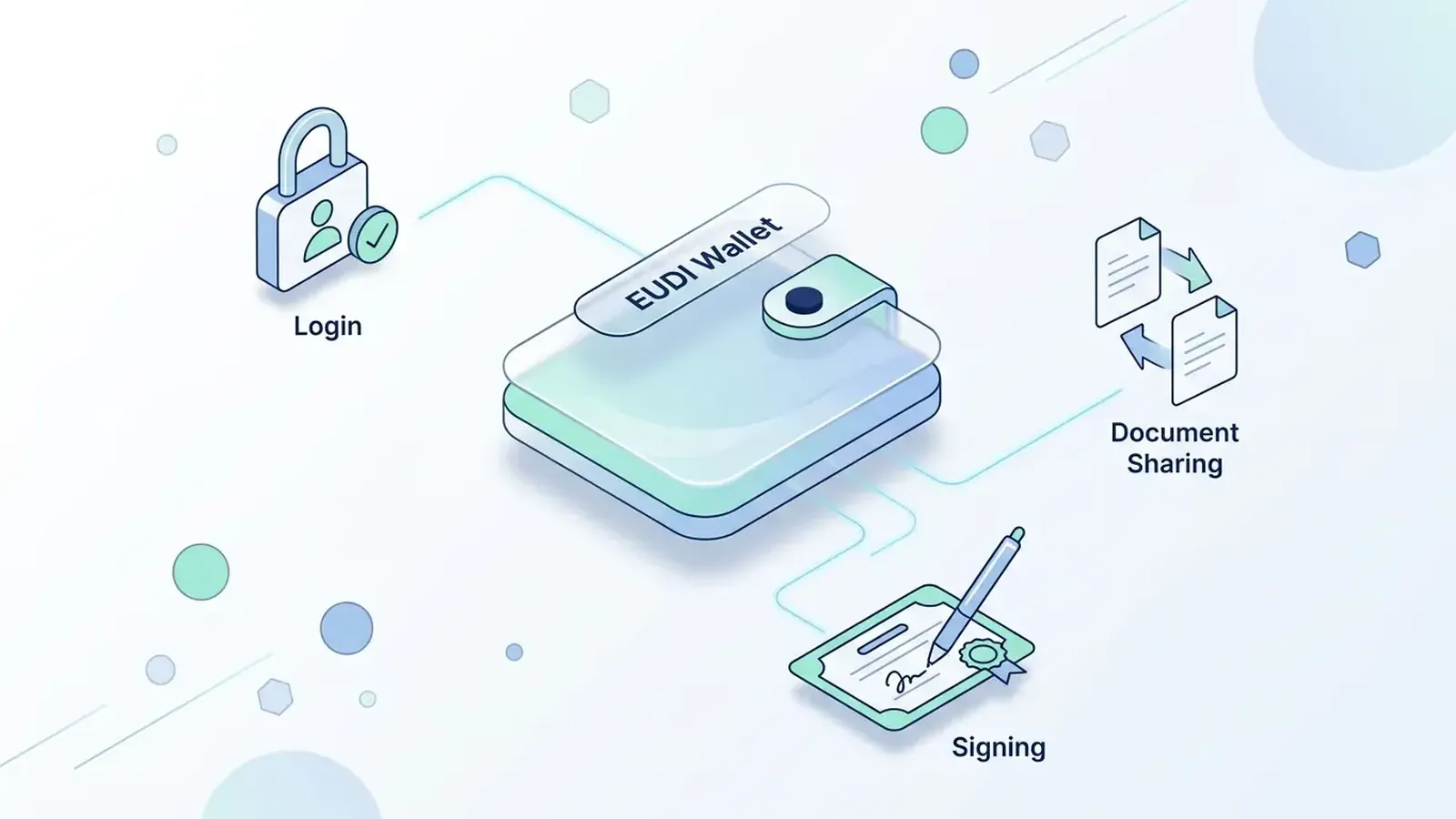
What the EUDI Wallet Is, and What It Is Not
The most basic EUDI Wallet questions still create unnecessary confusion. Two of the clearest answers are simple: the wallet is meant to be free for citizens, and it is not mandatory to use. From there, the next question becomes what the wallet actually does and where the ecosystem still needs clearer answers.